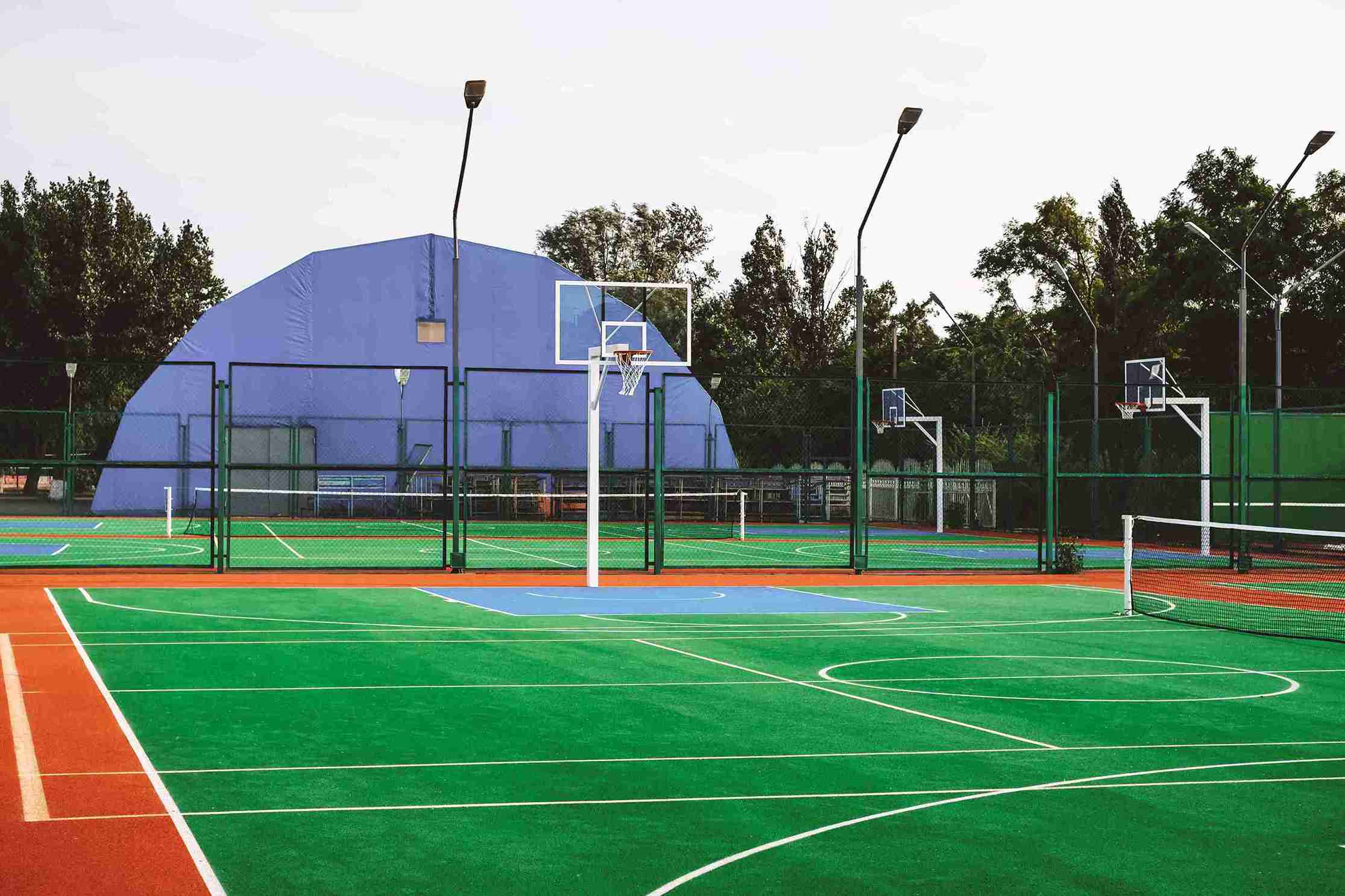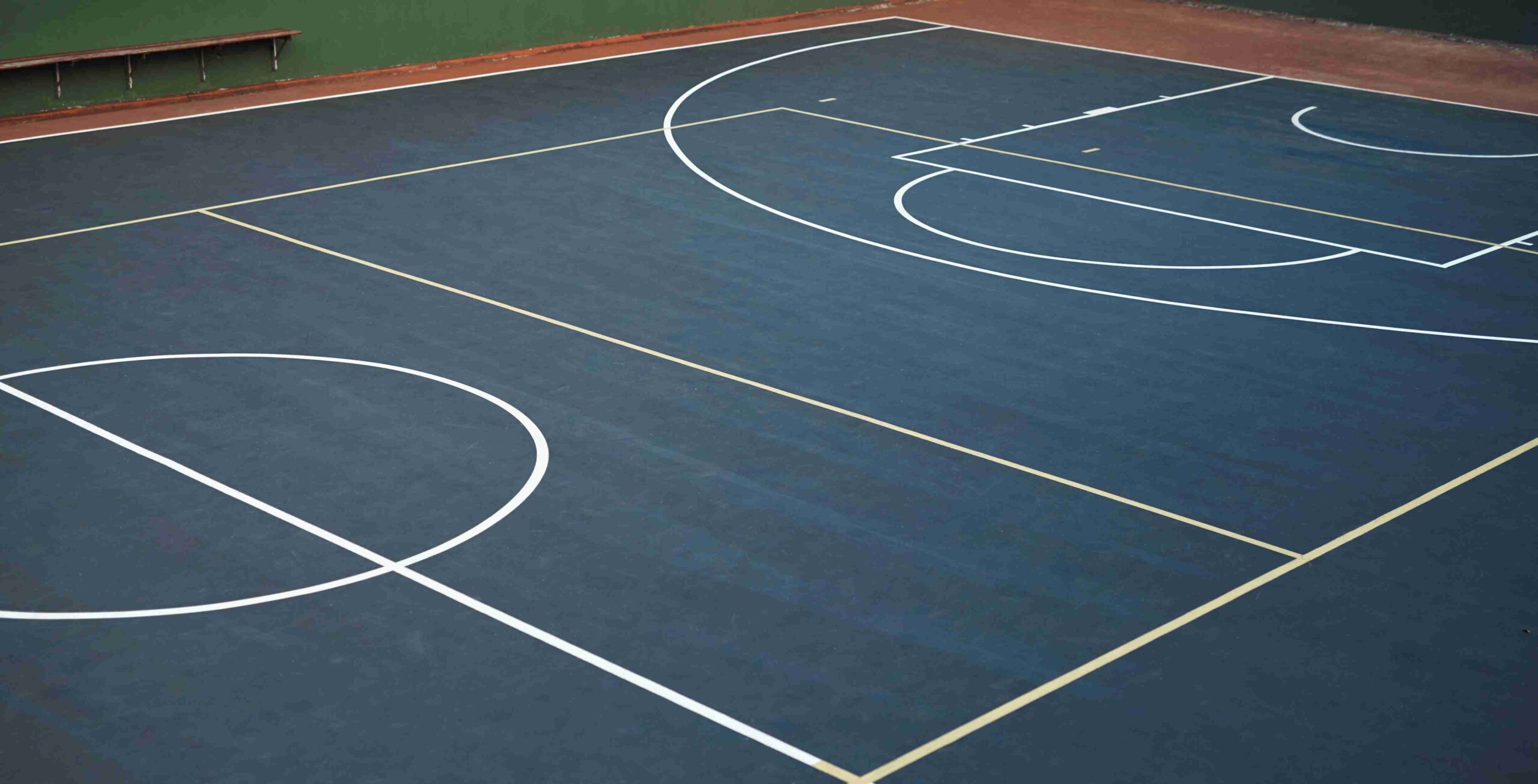
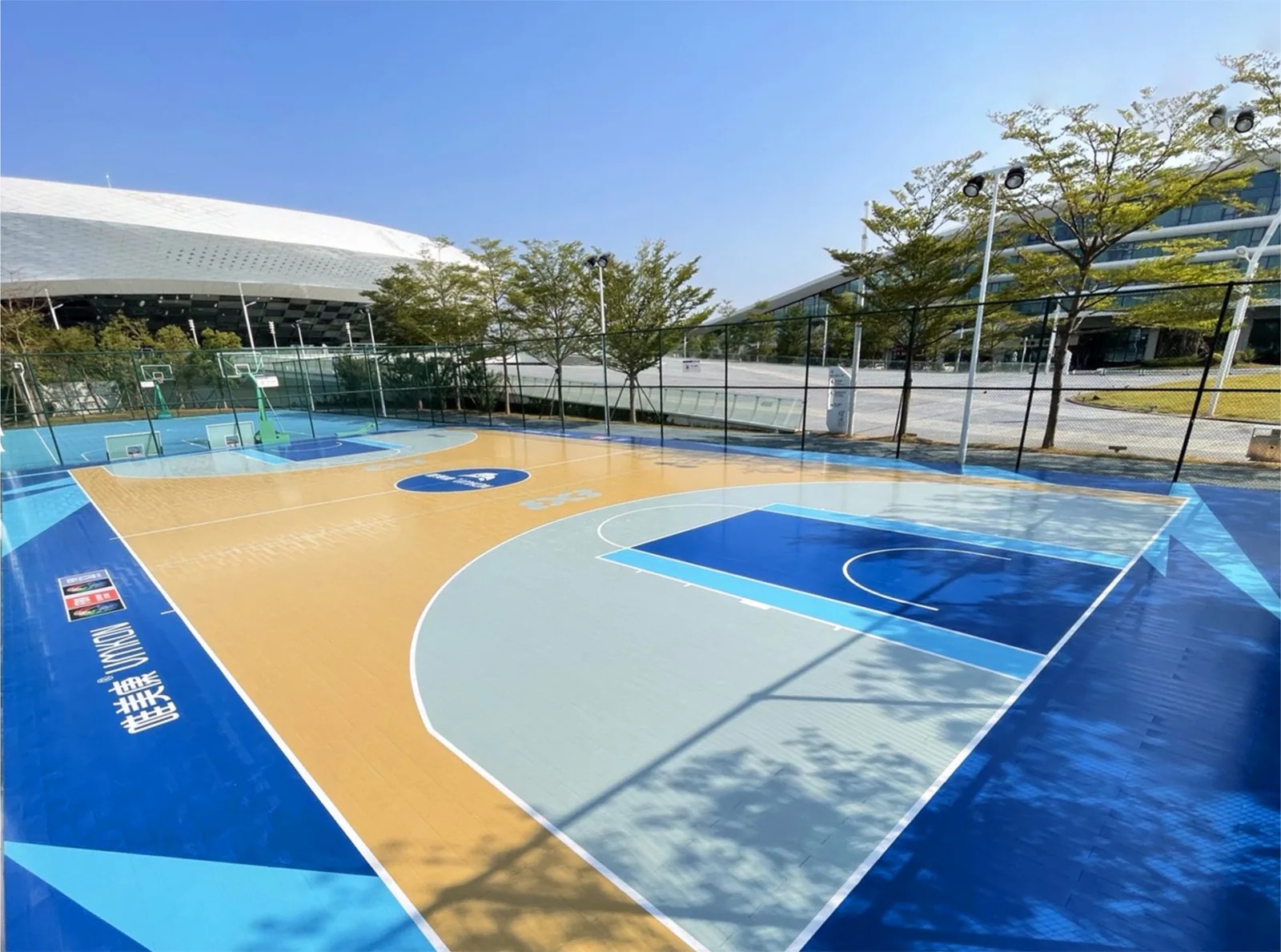
The selection of outdoor basketball court flooring is a good investment and a good choice to safeguard your players. The incorrect surface burns in the summer UV, fills with water when it rains, and breaks in its initial freeze-thaw cycle. Copo Sports is a US company whose products are mostly bio-based; it is the brand that constructs outdoor court systems that do not compromise on any of the three stresses.
This guide will teach you how to read your site conditions, side-by-side the surface options, and conduct a structured mock-up test before you are even convinced to install it all. Request a quote from Copo Sports and start your project on solid ground.
Define the Exposure Environment
The quality of outdoor basketball court flooring that you need for your project depends on where you construct the floor and the intensity of your use. You will not want to miss this step and end up having a surface that is good in the showroom but will not go to your court for less than two seasons.
Check out every aspect below, and then you will evaluate any product.
Sun and UV Load
Direct sun diminishes the surface color, weakens binders, and quickens the wear of the surface. The UV intensity of the courts in the Sun Belt is more than that in the Pacific Northwest. Determine the number of peak sun hours per day in your zip code. Any surface that you specify should have a verified UV-stability rating.
Heat Surface Temperature
Court surfaces may be dark in color and get to 20-40 degrees higher than ambient air temperature. The high surface heat will weaken certain synthetic materials, decrease traction, and increase the risk of player injuries. Select light colors or surfaces with a high surface temperature rating in case of full afternoon sun on your court.
Rain and Drainage
Any court is perilous in standing water. Test two factors: speed of surface shedding water, and whether the base is sloping to a drain. A surface that is open-drained or vented tiles drains more quickly than a solid, closed coating. Ensure that your base will support a minimum of 1-2 percent slope to the drainage outlet.
Freeze-Thaw Cycles
Freeze-thaw stress is important when your site is at temperatures lower than 32°F. On hard surfaces, water gets into micro-cracks and broadens them during each freeze-thaw cycle. Thermal movement in floating modular systems is superior to bonded, rigid coating systems since tiles are able to expand and contract separately.
Base Conditions
Basketball flooring outdoor projects are proven on concrete and asphalt. Ensure that your base is flat (less than 3/16 inch over 10 feet), sound, and without active cracks. No permanent or semi-permanent court system can be based on soil, grass, or sand.
Traffic and Usage Level
A backyard court of a single-family home is much less abused than a court of a school or a public park. Increased traffic requires improved surface durability, shock absorption, and increased maintenance. Don’t compare your average number of players per day with your peak number; match your surface specification.
Debris and Maintenance Access
Organic debris, grit, and leaves decrease traction and leave surfaces dirty. Determine the amount of debris your location produces and the availability of cleaning equipment for the court. There are systems on the surface that trap debris in joints; others are flushed with the garden hose.
5-Minute Site Checklist
Before you request a quote, confirm each item:
- Base type confirmed (concrete or asphalt)
- Base flatness checked (no high or soft spots)
- Drainage slope present (1–2% minimum)
- Drain outlet located and clear
- Peak daily sun hours estimated for your location
- Freeze-thaw history confirmed (yes or no)
- Peak daily player count estimated
- Debris sources identified (trees, loose soil, foot traffic)
Complete this checklist in five minutes. Bring it to your supplier conversation and get answers that fit your actual site, not a generic spec sheet.
Compare Surfaces and Systems
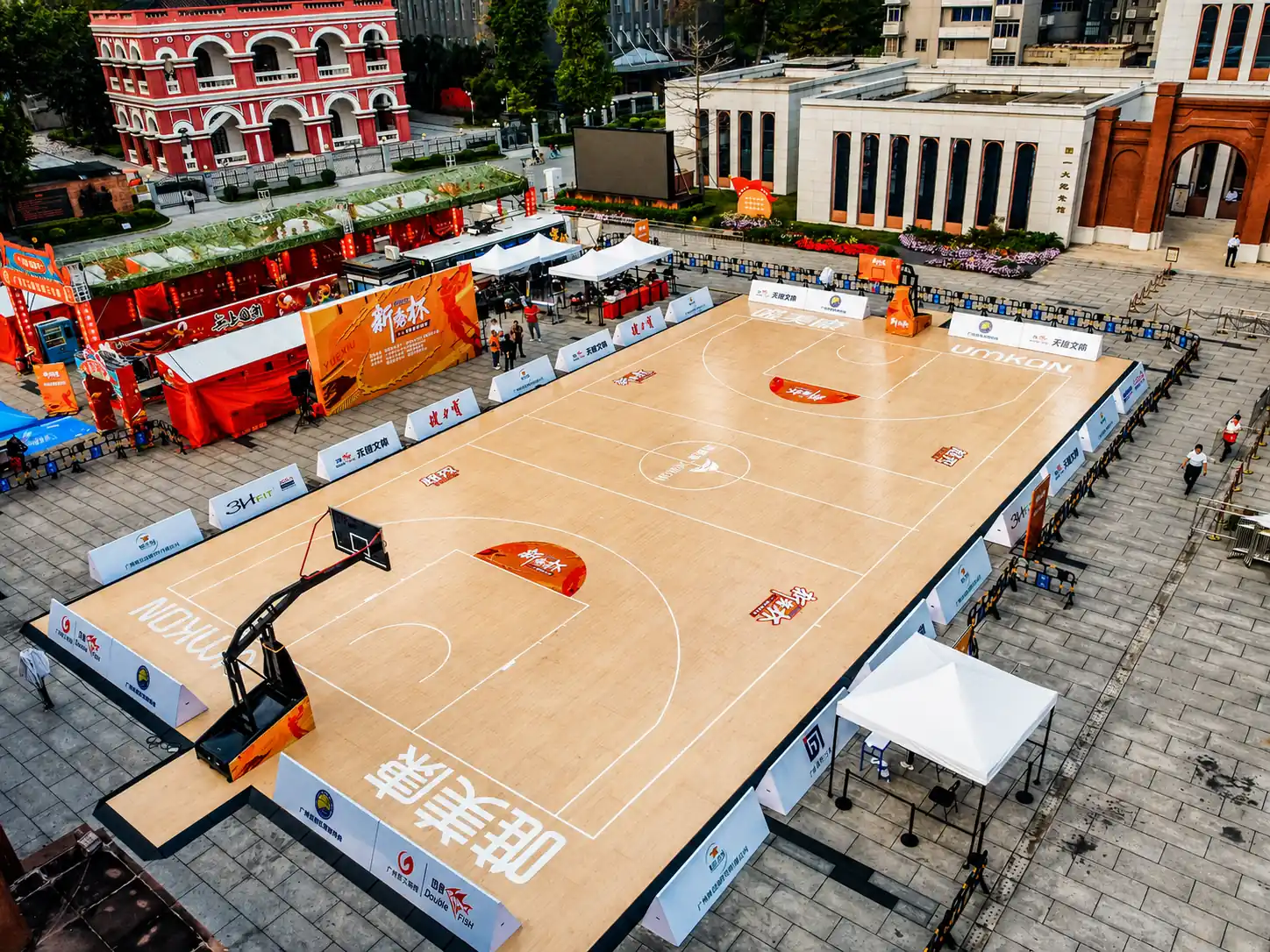
It is the right outdoor sports flooring basketball courts that meet your site checklist, not the lowest cost per square foot.
These are the four key surface categories and their performance in the four factors that count outdoors.
Surface Comparison Table
| Surface Type | UV Resistance | Drainage | Ball Bounce & Traction | Joint & Impact Comfort | Maintenance | Est. Lifespan | Best Use |
|---|---|---|---|---|---|---|---|
| Modular Tiles (BPC/TPE) | High (material-stable) | Excellent (open channels) | Consistent; good wet traction | Good to excellent | Low; replace single tiles | 10–20+ years | Permanent and portable courts; freeze-thaw climates; schools, parks, HOAs |
| Poured-in-Place / Acrylic Coating | High with UV-stable coating | Moderate (relies on base slope) | Professional-grade bounce | Low (rigid; hard on joints) | Medium; resurface every 3–7 years | 5–10 years per coat | Competitive-level permanent courts; warm, stable climates |
| Asphalt (bare) | Low (oxidizes, fades) | Moderate | Acceptable when new; degrades | Low | High; sealing and patching | 3–7 years | Low-budget recreational courts; temporary surfaces |
| Concrete (bare) | Low (stains, no UV coat) | Low (requires drainage cut) | Acceptable; no cushion | Very low | Low initially; high after cracking | 15–30 years (slab); surface degrades faster | Subfloor/base only; not recommended as a finished playing surface |
How Copo Sports Fits
Copo Sports’ outdoor basketball court flooring lineup offers four systems designed for different project types:
- Fixed BPC Sports Flooring System (BD-18F): An 18 × 152 × 1500mm bio-based panel on a double-keel structure with built-in 5mm foam pad. Designed for permanent 3×3 and 5v5 courts. Suitable for concrete or asphalt bases.
- Portable BPC Sports Flooring System (BS-25P): A 28 × 125 × 1160mm panel on a portable keel structure with TPE shock pads and leveling pads. Best for temporary courts, event courts, and fast project conversion.
- PowerMatch · 16mm Modular Tiles (VSK-252516): 250 × 250 × 16mm TPE tiles with a patented expansion joint design. Delivers soft foot feel, noise reduction, rich color options, and durable outdoor performance.
- PowerPro · 19mm Modular Tiles (VSK-252519): 250 × 250 × 19mm TPE tiles for courts that require stronger impact resistance and enhanced player protection. Thicker elastic structure reduces sports injury risk.
All Copo Sports outdoor systems are made primarily of bio-based materials, which help the school, municipal parks, and HOA projects achieve long-term sustainability without compromising durability.
Compare all outdoor court systems on the Copo Sports product page and identify the right system for your base type and usage level.
Establish Criteria for Observation and Acceptance of Mock-Ups
Order a mock-up section before approval of the entire installation. There is nothing like a mock-up on your base, in your actual conditions, to tell you more than a data sheet. This request should not be denied by any supplier for a full-court project or a multi-court project.
Here is a structured acceptance process you can run yourself:
Step 1: Request a Sample or Mock-Up Section
Get in touch with your supplier and ask him to put up a 10×10 ft mock-up section on your real base. Indicate the system, color, and line marking that you intend to use on the entire project. Record the date of installation.
Step 2: Install on the Actual Base
The mock-up has to be on the same surface as your actual court will be: concrete or asphalt. A simulation on the other surface would not provide you with anything useful. Make sure that the base condition is in accordance with your site checklist when the installer is coming.
Step 3: Observe Across Sun, Rain, and Play
Test the mock-up for at least two weeks, including at least one rain event. Play on it every day in the observation period. Take it at sunrise and sunset, and right after rain. See the performance of the surface in the real world, not in controlled conditions.
Step 4: Score Against Written Criteria
Use this pass/fail scorecard. Mark each criterion before you sign off on full installation.
Mock-Up Acceptance Scorecard
| Criterion | Pass Standard | Your Score (Pass / Fail / Note) |
|---|---|---|
| Color Stability | No visible fading or bleaching after 14 days of sun exposure | |
| Wet Traction | No slipping during play within 15 minutes of rainfall | |
| Dry Traction | Consistent grip across the full surface; no dead spots | |
| Ball Response | Consistent bounce height across all zones; no dead zones | |
| Drainage and Puddling | No standing water 10 minutes after rain stops | |
| Joint Movement | Tiles or panels do not shift, separate, or pop during play | |
| Surface Wear | No visible scuffing, pitting, or delamination after 14 days of play | |
| Cleaning Ease | Surface returns to clean condition with water and a broom |
Step 5: Get Written Sign-Off Before Full Installation
Not until all your criteria in your scorecard pass. Have your supplier sign the scorecard or sign a written acceptance document prior to work starting. This covers you in the event of low performance following installation.
Pro tip: Photograph the mock-up daily during the observation period. Date-stamped photos give you documented evidence of color stability, joint performance, and surface condition before you commit to full-court coverage.
Why Choose Copo Sports for Your Outdoor Court
Copo Sports is an American brand with its head office in Temple City, California. The company manufactures mostly bio-based outdoor court flooring systems for contractors, distributors, school and parks and recreation departments, and buyers of the project in the United States.
Copo Sports offers:
- Four outdoor basketball court flooring systems: fixed BPC, portable BPC, and two TPE modular tile thicknesses to fit your installation method, project time, and budget.
- Primarily bio-based materials that can be used to meet sustainability standards for community and institutional projects.
- Custom OEM/ODM color options color selections such as navy, forest green, red, slate, teal, and gold.
- Court size support for full courts (91.9 × 49.2 ft FIBA), half courts, 3×3 courts, and youth layouts.
- Portable and fixed installation systems for both temporary event courts and permanent community installations.
Start your outdoor court project today. Request a quote from Copo Sports, provide your court size, base type, project location, and installation preference, and the team will respond with a system recommendation and pricing guidance.
Frequently Asked Questions
What is the best surface for an outdoor basketball court?
The optimal surface would be based on your climate, base condition, and level of usage. TPE tile systems or modular BPC systems work well in both freeze-thaw climates, provide effective drainage in rainy weather, and can be used in daily play with no need for re-surfacing. Acrylic-coated concrete provides professional-level ball response in warm and stable conditions. The surface should be matched with your site and not just your budget.
Can I install outdoor basketball court flooring over existing asphalt or concrete?
Yes, in case the underlying base is structurally sound, flat, load-bearing, and possesses sufficient drainage slope. Assure that there are no running cracks, large depressions or drainage issues on the surface. Any surface system will fail prematurely with a base that contains water or demonstrates structural movement. Check your base and fix it before installation.
How long does outdoor basketball flooring last?
Lifespan varies by system and site conditions. Modular TPE tile systems typically last 10–20 years with minimal maintenance. Acrylic-coated surfaces last 5–10 years per coat before resurfacing. Bare asphalt degrades in 3–7 years without sealing and patching. Proper base preparation and regular cleaning extend the life of any system significantly.
What outdoor sports flooring basketball courts need for freeze-thaw climates?
Select a floating modular tile system instead of a bonded coating. Floating systems enable individual tiles to swell and shrink with changes in temperature, without relying on bonding the surface with concrete, thus avoiding the cracking and heaving that occurs in freeze-thaw cycles. Ensure that the material used as tiles has a UV-stability grade and that it is able to keep traction when wet.
Conclusion
Your outdoor basketball court flooring decision starts with your site and ends with a signed mock-up scorecard. Define your exposure environment, compare systems against your site checklist, and test a mock-up before full installation. Copo Sports, an American brand with primarily bio-based outdoor court systems, supports every stage of that process.
Request your quote from Copo Sports now and get a system matched to your court size, base, and climate.