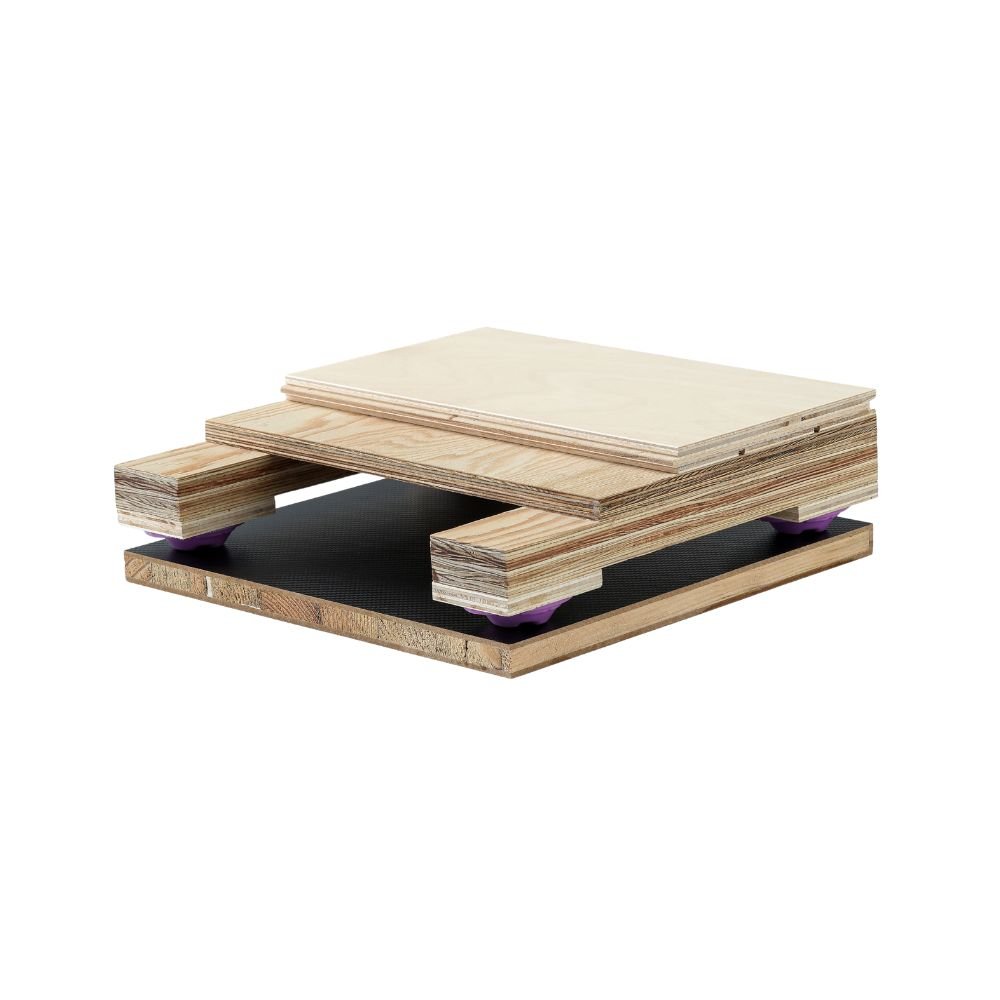
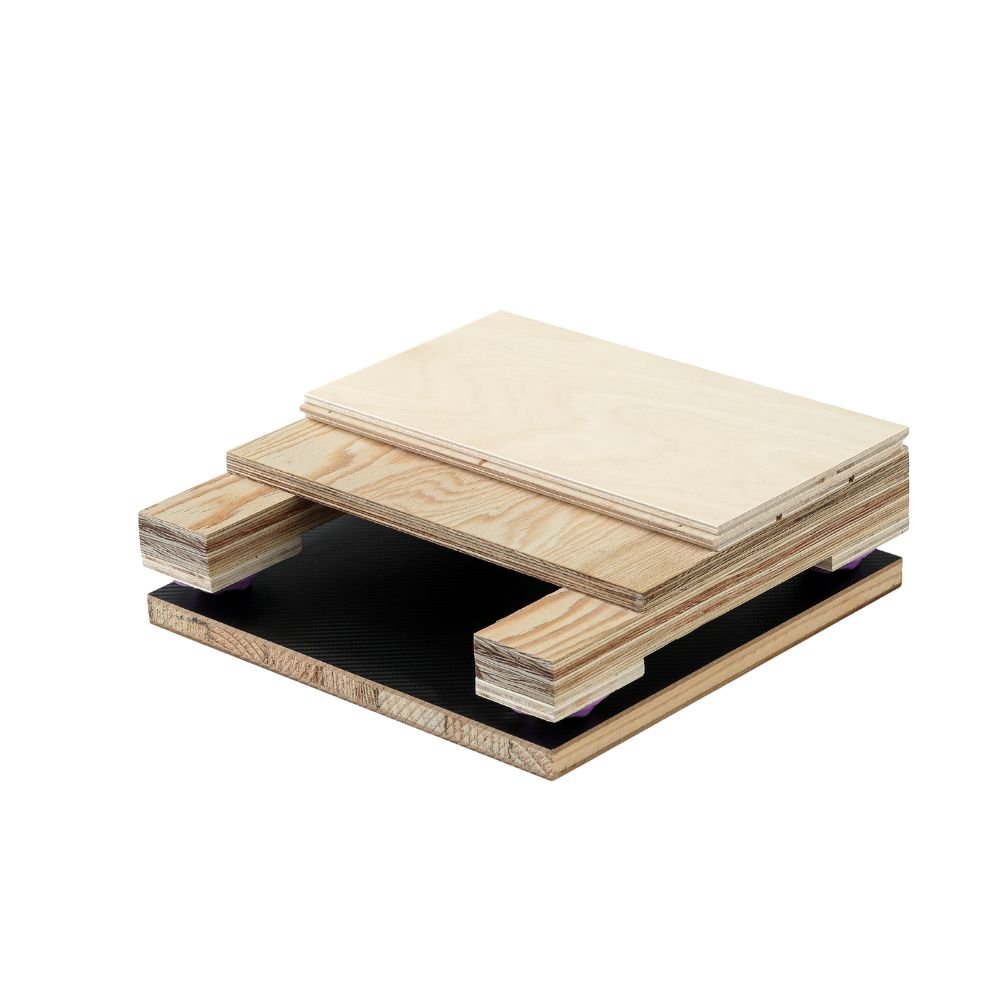
Multi-Layer Hardwood System 15T – Single
15mm Engineered Wood Sports Flooring · Single Keel System
A professional indoor sports flooring system built with a 15mm multi-layer hardwood panel, load panel, LVL single-keel support structure, shock-absorbing pads, and adjustable foot support. Designed for sports arenas, fitness centers, and training facilities that require stable performance, comfort, and reliable long-term use.
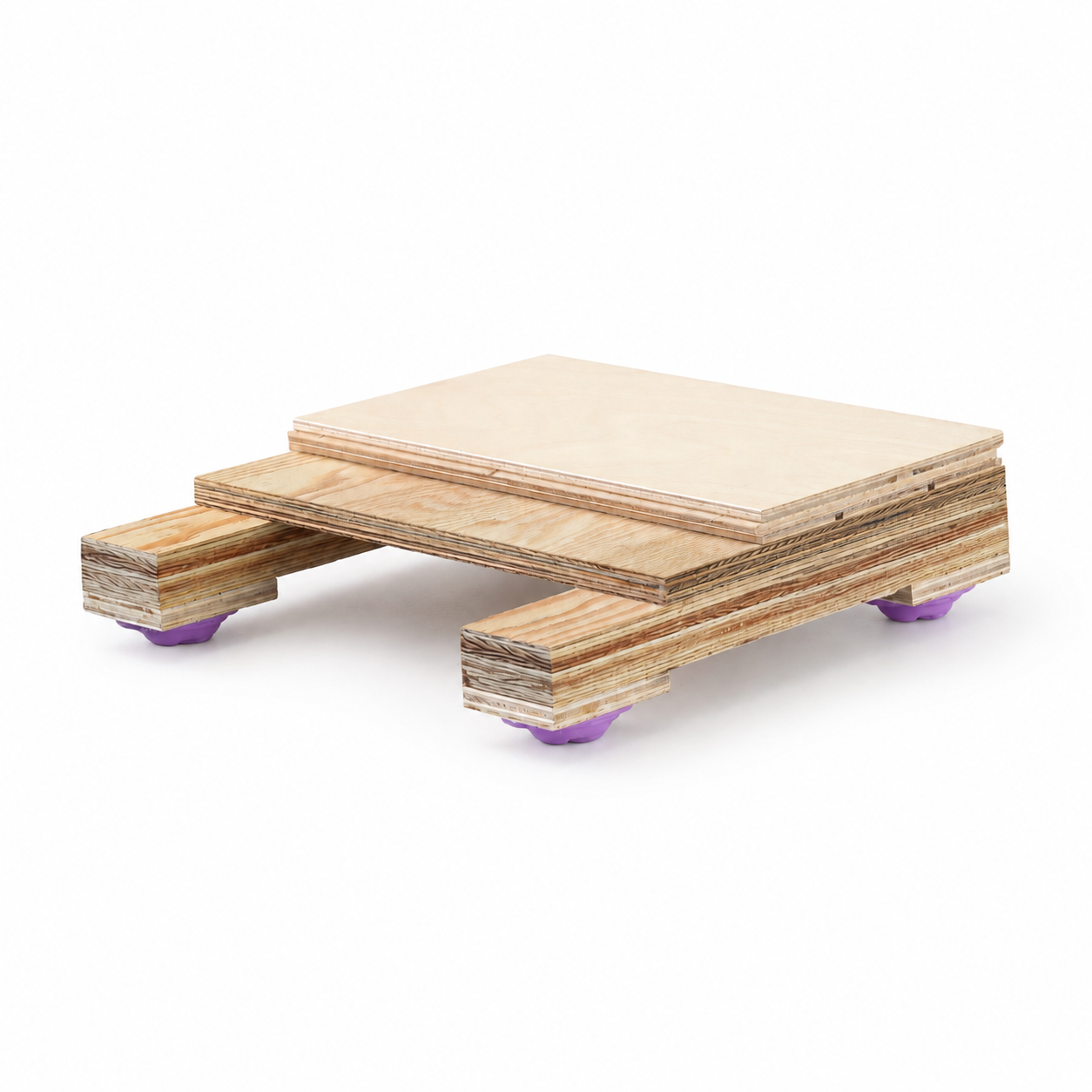
15mm Multi-Layer Engineered Wood Panel with Single Keel Support
This is a 15mm engineered wood sports flooring single keel system, not a double-keel structure. The system combines a multi-layer hardwood surface panel, load panel, LVL keel support, shock-absorbing pads, and adjustable foot components to create a stable indoor sports floor.
The surface layer provides a professional sports playing surface, while the load panel and LVL keel distribute impact loads across the structure. Shock-absorbing pads help improve comfort and reduce stress during repeated jumping, landing, and direction changes.
- Surface material: 15mm multi-layer hardwood panel
- Load panel: 12mm–18mm high-temperature hot-pressed plywood
- Support structure: LVL high-elasticity single keel system
- Shock absorption: Resilient pads under the keel structure
- Base adjustment: Patent-design adjustable foot pad combination
Built Around FIBA Standard Requirements
The 15mm Engineered Wood Sports Flooring Single Keel System is designed to support safe movement, stable ball response, and reliable long-term use for indoor sports and training environments.
Safety & Comfort
The single-keel structure works with shock-absorbing pads to support impact protection and controlled vertical response during jumping, landing, and repeated training movements.
Stable Sports Performance
Designed for predictable traction and ball response, helping athletes maintain stable starts, stops, turns, rebounds, and passing rhythm across the playing surface.
Durable Facility Operation
The engineered wood panel, load panel, and LVL single-keel support are made for regular sports hall use, equipment movement, and daily facility operation.
Designed for Indoor Sports, Fitness, and Training Facilities
The 15mm Engineered Wood Sports Flooring Single Keel System is suitable for indoor projects that require a professional wood sports surface with shock absorption, stable support, and efficient facility operation.
Indoor Sports Arenas
Fitness & Wellness Centers
Sports Training Centers
Why This Single Keel System Matters for Indoor Projects
This 15mm Engineered Wood Sports Flooring system is designed for projects that need a clear indoor wood sports flooring specification, stable support, shock absorption, and efficient installation planning.
Unclear Flooring Structure Creates Wrong Expectations
Indoor Courts Need Comfort Without Losing Sports Response
Daily Use Requires a Stable Load-Bearing Structure
Project Teams Need Easier Leveling and Installation Control
Questions Before Choosing This Flooring System
Key details for contractors, facility owners, and project buyers evaluating the 15mm Engineered Wood Sports Flooring Single Keel System.
Is this a single keel or double keel sports flooring system?
This product is a single keel system. It uses a 15mm multi-layer hardwood sports panel, load panel, LVL high-elasticity keel, shock-absorbing pads, and adjustable foot pad support.
What applications is this 15mm system best suited for?
It is mainly suitable for indoor sports arenas, fitness centers, and sports training centers where a professional wood sports surface and stable support structure are required.
Can this flooring be used outdoors?
This system is designed for indoor sports flooring projects. For outdoor courts or moisture-heavy environments, a different flooring solution should be selected according to the project condition.
What base condition is needed before installation?
The project site should provide a solid and reasonably level base. The adjustable foot pad combination helps with installation control, but site flatness and base condition still need to be checked before quotation and installation.
What performance requirements does the system support?
The system is designed around FIBA standard requirements including force reduction, vertical deformation, rolling load, slip resistance, ball rebound, and resistance to wear.
What is the main difference from a solid hardwood system?
This system uses a multi-layer engineered wood surface panel instead of a solid hardwood surface panel. It is positioned for indoor projects that need stable structure, controlled cost, and reliable sports flooring performance.
Can it be used for multi-purpose indoor spaces?
Yes. It can support indoor sports, fitness, and training spaces where sports performance and daily facility operation are both important. Final suitability should be confirmed based on the sport type and usage intensity.
What information is needed before quotation?
Please provide the sport type, total flooring area, project location, indoor site condition, base condition, expected usage, drawings if available, and whether line marking or logo customization is required.
Need a Clear Specification for Your Project?
Share your court size, indoor base condition, sport type, and project drawings. Our team can help confirm whether the 15mm single keel engineered wood system is suitable for your installation plan.