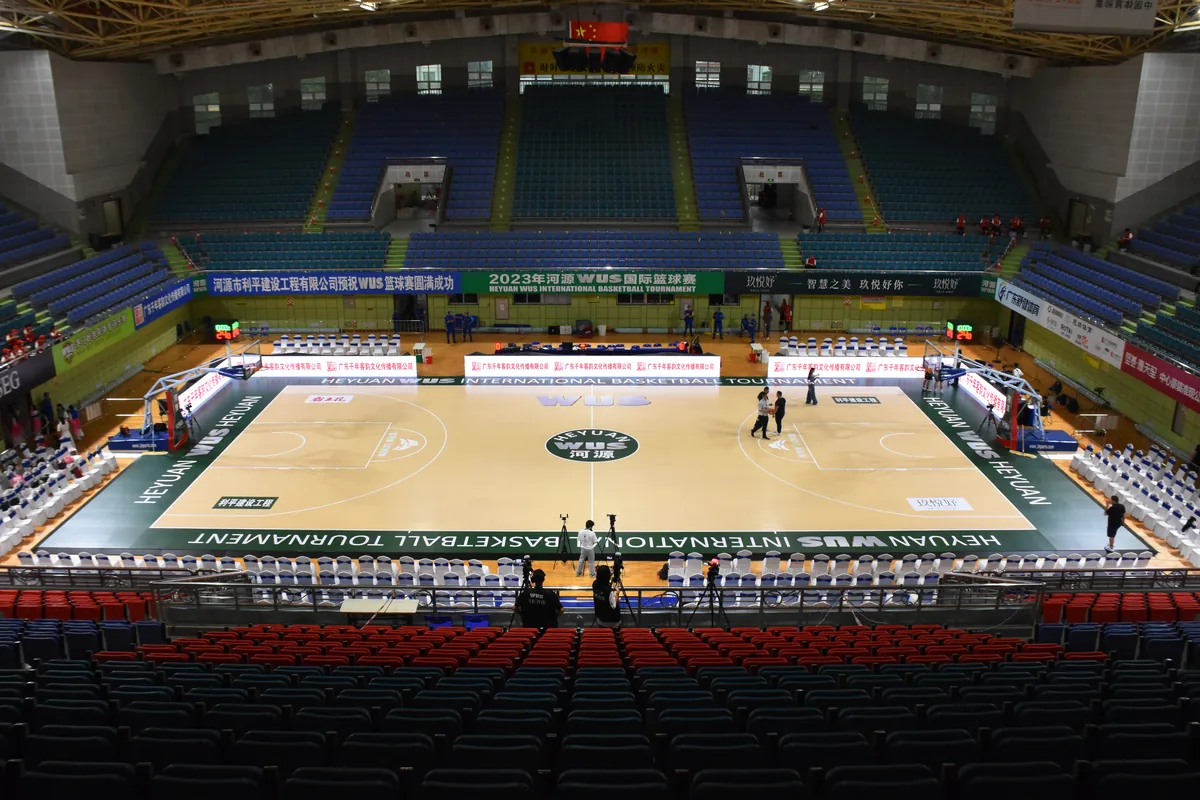
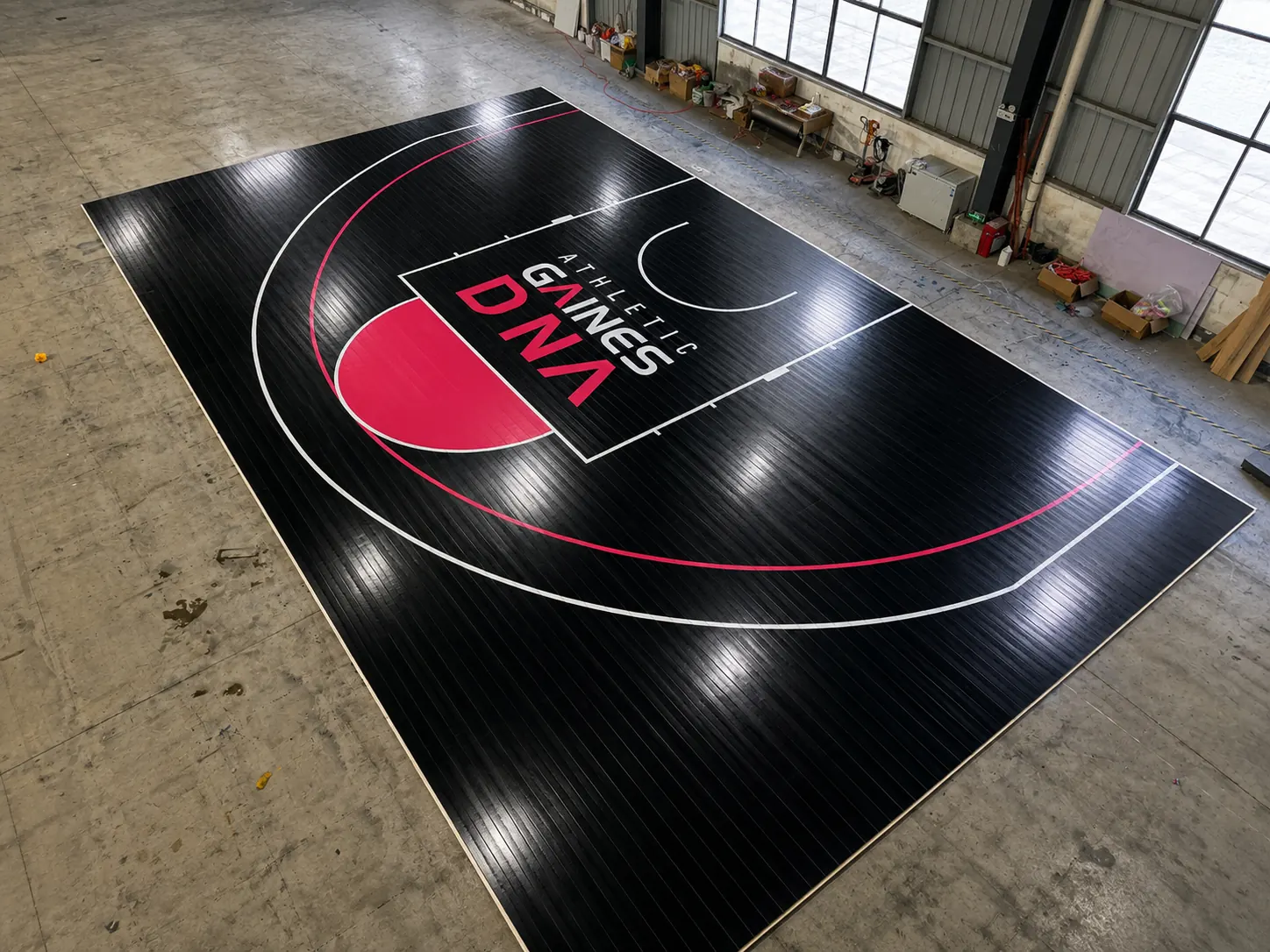
Choosing a hardwood basketball court is about more than picking a wood color or finding a floor that looks great. The real difference lies beneath the surface, where the supporting structure, shock absorption, and overall system design shape how the court performs.
For schools, universities, sports centers, and professional venues, the right floor can support years of training and competition. But how can you tell which system is worth your investment?
The answer is to look beyond appearance. You need to understand how the floor is built, how its performance is tested, and what it takes to install and maintain it. Let’s explore the key factors that can help you make a confident choice.
What Makes a Hardwood Basketball Court More Than Just Wood?
A basketball court may look like a simple wooden surface, but its performance depends on several parts working together. The hardwood layer, panels, support structure, and subfloor all play a role in creating a stable playing area.
When comparing systems, it is important to look at the complete assembly rather than judging the quality of the wood alone.
Understanding the Hardwood Surface
The top layer is the part players see and use every day. It affects the court’s appearance, surface feel, traction, and ability to handle regular activity.
Maple is a popular choice for indoor basketball courts because of its hardness, smooth finish, and traditional appearance. However, the best option also depends on the product design, finish, expected traffic, and maintenance plan.
A quality basketball hardwood floor should provide a suitable playing surface while allowing for routine care and, where the construction permits, future refinishing.
What Lies Beneath the Playing Surface?
The supporting structure is just as important as the wood itself. Depending on the system, it may include panels, resilient pads, battens, or other engineered components.
These parts help control how the floor responds when athletes run, jump, and land. A well-designed system aims to balance shock absorption, energy return, and stability.
The subfloor matters, too. Moisture, uneven surfaces, and poor preparation can affect the finished floor and increase the risk of problems later.
The key takeaway: When choosing a hardwood basketball court, ask for details about every layer, from the playing surface to the supporting structure. But how can you confirm that these parts deliver the performance promised by the manufacturer?
How to Test a Hardwood Basketball Court Before You Buy
A floor may look impressive in a showroom, but does it perform well when players use it every day? This is where performance testing becomes important.
Instead of relying on product descriptions alone, ask the manufacturer for test reports and technical details that show how the complete flooring system behaves under athletic activity.
Performance Tests That Matter
Here are some key features to check when comparing basketball court hardwood flooring.
- Shock absorption: Shows how well the floor reduces impact forces when players land after jumps.
- Vertical deformation: Measures how much the floor moves under a load. The goal is to provide an appropriate response without excessive movement.
- Energy restitution: Measures how the floor returns energy after impact, which helps describe its playing characteristics.
- Ball rebound: Helps determine whether the ball bounces consistently across the playing surface.
- Surface friction: Helps assess whether players can move, stop, and change direction with suitable traction.
These features work together to shape the playing experience. No single measurement can tell you everything about a floor’s quality.
Why System-Level Test Reports Matter
Ask whether the test results apply to the complete flooring assembly or only to an individual component. A resilient support may perform well on its own, but the finished floor must also work as a complete system.
For indoor sports flooring, EN 14904 is an important European standard. Depending on the project, U.S. facilities may also need to consider applicable ASTM test methods, building requirements, and sports organization specifications.
Always confirm which standards apply to your project and request the relevant documentation. A manufacturer’s statement about compliance should be supported by records for the specific system being considered.
Once you understand how to check performance, the next question is practical: what will it take to install and care for the floor over time?
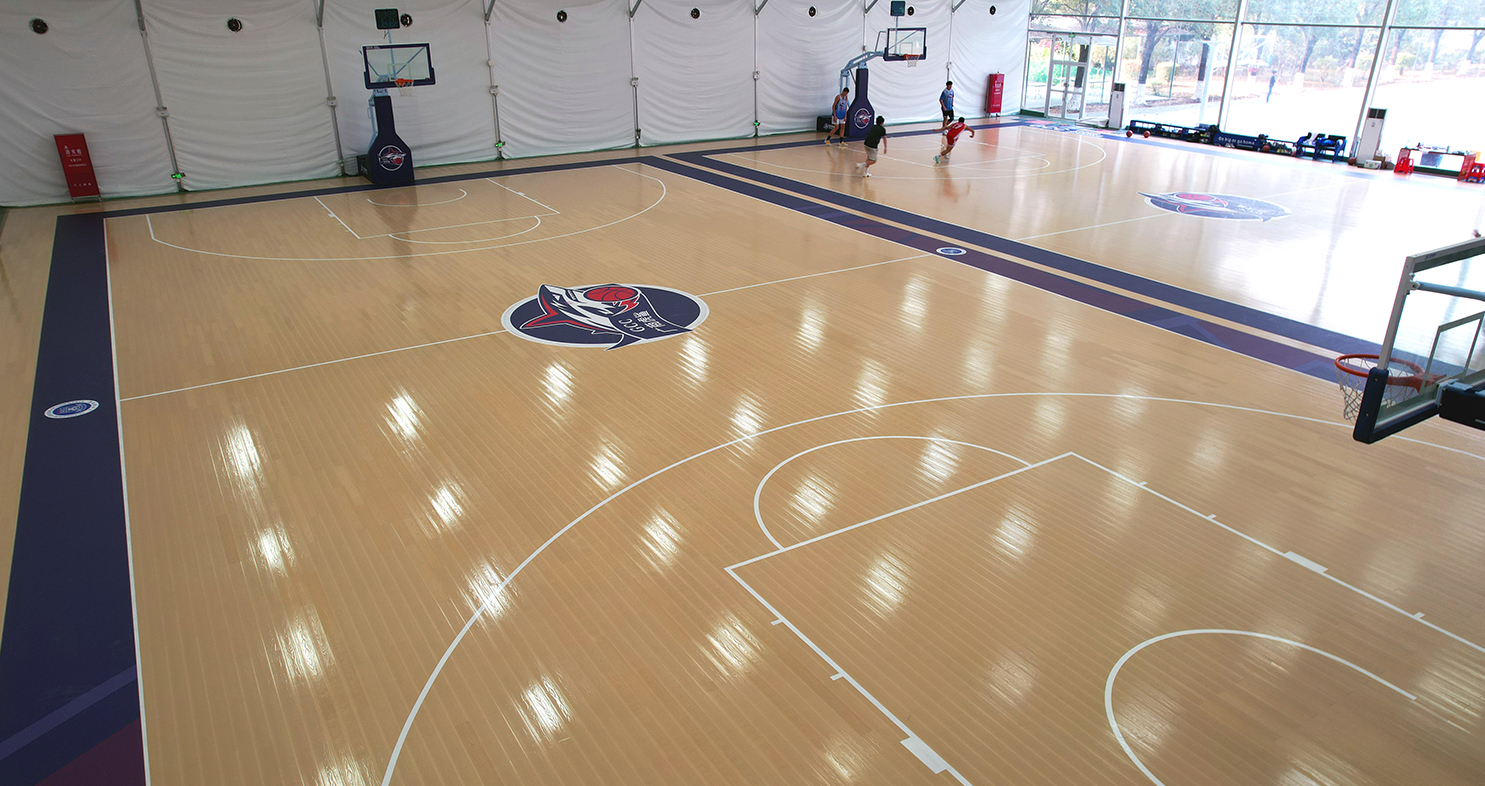
Hardwood Basketball Court Installation and Maintenance: What to Compare
Even a well-designed floor needs the right installation conditions and regular care. Before choosing a hardwood basketball court, consider how the system fits your building, schedule, and maintenance resources.
Installation Conditions to Check
Start with the subfloor. It should meet the manufacturer’s requirements for flatness, moisture, and structural condition. Concrete moisture testing may be necessary before installation, and wood materials should be handled according to the manufacturer’s instructions.
Temperature and humidity also matter. Wood naturally expands and contracts as moisture conditions change. Proper moisture control, acclimation, and expansion allowances can help reduce the risk of gaps, warping, and other issues.
You should also compare permanent and portable systems.
Permanent systems suit dedicated gyms where the floor stays in place.
Portable systems can suit multipurpose venues that need to convert the space for different events, provided suitable storage and handling arrangements are available.
Installation time varies by product, site conditions, and project size. Ask for a realistic schedule that includes preparation, installation, and any required inspection before the court is used.
Maintenance That Protects Your Investment
A basketball hardwood floor needs consistent care to maintain its appearance and playing characteristics.
Use manufacturer-approved cleaning products, remove spills promptly, and inspect the surface regularly for damage or loose components. Keep indoor temperature and humidity within the recommended range whenever possible.
Also, ask about refinishing, repairs, replacement parts, and warranty coverage before purchasing.
The initial price is only one part of the decision. Installation, routine maintenance, repairs, and downtime all affect the total cost of ownership.
So, which system offers the best balance for your budget? That depends on how your facility will use the court.
Which Hardwood Basketball Court Is Right for Your Facility?
Not every sports venue has the same needs. A school gym used throughout the week may require a different solution from a competition arena or a multipurpose event space.
Start by considering how often the court will be used, the level of play it must support, and whether the venue needs a permanent or portable floor. Then compare product specifications, installation requirements, maintenance plans, and available technical support.
Questions to Ask Before Choosing a System
Before making a decision, ask potential suppliers:
- What are the surface and supporting structure made of?
- Are performance test reports available for the complete system?
- What subfloor and moisture conditions are required?
- How much maintenance should we expect?
- Are replacement parts and repair services available?
- What warranty applies, and what does it cover?
If you are researching how to choose a hardwood basketball court flooring system, these questions can help you compare suppliers on more than price and appearance.
It is also worth comparing systems designed for different uses. Solid hardwood, engineered hardwood, and bio-based wood flooring each have different construction methods and performance considerations.
They should not be treated as interchangeable products.
A clear understanding of your facility’s needs makes the next step easier: finding a manufacturer that can support your project from selection to installation.
Why Choose COPOSPORTS for Your Hardwood Basketball Court?
Choosing a flooring supplier is about more than buying materials. You need a partner that understands the demands of sports facilities and can help you identify a system that fits your project.
COPOSPORTS develops and supplies sports flooring solutions for basketball and other sports, with product options that include solid hardwood, engineered hardwood, bio-based wood, and modular systems.
Engineered Support and Performance
COPOSPORTS’ hardwood flooring information highlights engineered support structures designed to balance shock absorption, energy return, and stable support.
The company also states that its hardwood planks undergo precision moisture-content treatment to help reduce the risk of warping and cracking under changing environmental conditions.
These features are worth exploring when comparing products. Ask the COPOSPORTS team for specifications and relevant test reports so you can understand how the proposed system meets your facility’s needs.
Flooring Options for Different Projects
Every venue has different requirements. A dedicated indoor basketball court may call for a traditional hardwood system, while a multipurpose venue may benefit from a portable option.
COPOSPORTS offers several flooring categories to help address different project needs. Its wider product range also includes bio-based and modular solutions for applications that may require different environmental or installation characteristics.
The best choice depends on the intended use, site conditions, performance requirements, and maintenance plan.
Support From Planning to Project Delivery
COPOSPORTS supports contractors, distributors, architects, and facility owners with sports flooring products and project services, including OEM and ODM customization.
For buyers managing a new court or a larger rollout, having access to product information and project support can make the selection process easier.
Explore the COPOSPORTS hardwood flooring systems to review the available options and discuss the requirements of your facility.
Conclusion
The right hardwood basketball court is about more than beautiful wood. Its supporting structure, tested performance, installation conditions, and maintenance needs all affect its long-term value.
Take time to compare complete flooring systems, review technical documents, and ask questions before making your decision. A little research now can help you avoid costly surprises later.
Planning a new basketball court or upgrading an existing facility? Contact COPOSPORTS to discuss your project, explore suitable flooring options, and request a quote tailored to your needs.
FAQs
1. What is the best hardwood basketball court flooring?
The best system balances durability, shock absorption, stability, and energy return.
2. How do you test basketball hardwood flooring?
Check performance reports for shock absorption, deformation, ball rebound, and friction.
3. How do you maintain hardwood basketball floors?
Clean regularly, control humidity, remove spills, and inspect for damage.
4. Does COPOSPORTS offer portable systems?
Yes, COPOSPORTS offers portable and fixed flooring options.