Choosing sports flooring is not only a product decision. For builders, contractors, general contractors, facility owners, sports brands, and venue operators, it is part of the overall project planning process.
A sports flooring system affects construction efficiency, player safety, daily maintenance, long-term durability, and the overall experience of the facility.
Whether the project is a school gym, basketball court, pickleball court, commercial gym, or multi-sport facility, the flooring should be selected based on real usage, site conditions, and long-term operation.
Why Sports Flooring Selection Matters
Sports facilities are used differently from ordinary commercial spaces. The flooring must support repeated movement, jumping, stopping, turning, and high-frequency traffic.
For project teams, the right sports flooring can help improve:
- Player comfort
- Surface stability
- Facility safety
- Maintenance efficiency
- Long-term durability
- Project presentation
- Brand image
A poorly selected floor may look acceptable at the beginning, but it can create problems later, such as surface wear, difficult maintenance, poor sports performance, user discomfort, or early replacement.
That is why sports flooring should be evaluated from both a construction and operation perspective.
Start with the Type of Facility
The first step is to define the application scenario.
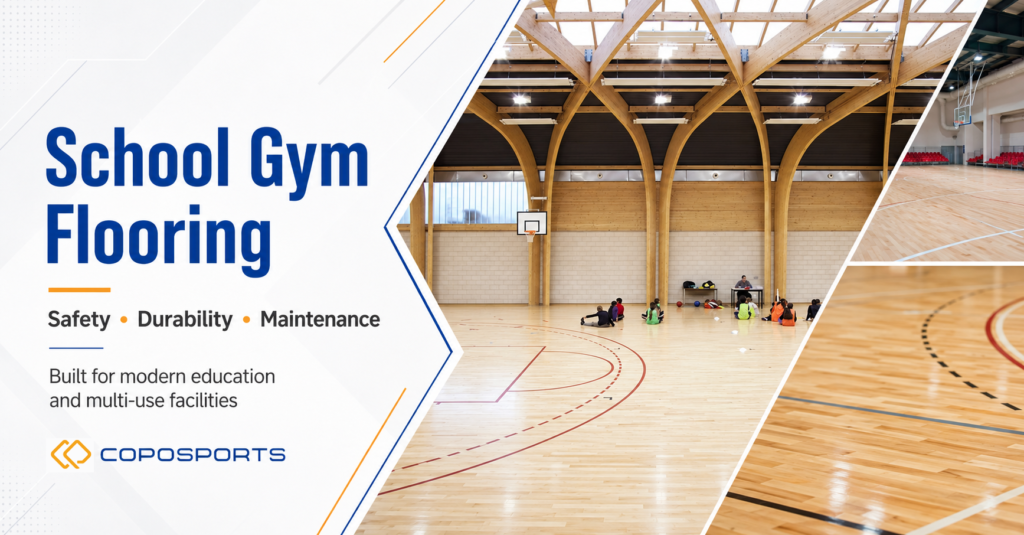
Different facilities require different flooring considerations. A school gym is not the same as a professional basketball court. A commercial gym is not the same as a community pickleball facility. A multi-sport venue may need a more balanced flooring system than a single-sport court.
Common project types include:
- School gym flooring
- Basketball court flooring
- Pickleball court flooring
- Commercial gym flooring
- Multi-sport facility flooring
- Indoor sports flooring
- Outdoor court flooring
For builders and contractors, the flooring system should match how the space will actually be used after handover.
Consider Indoor vs. Outdoor Conditions
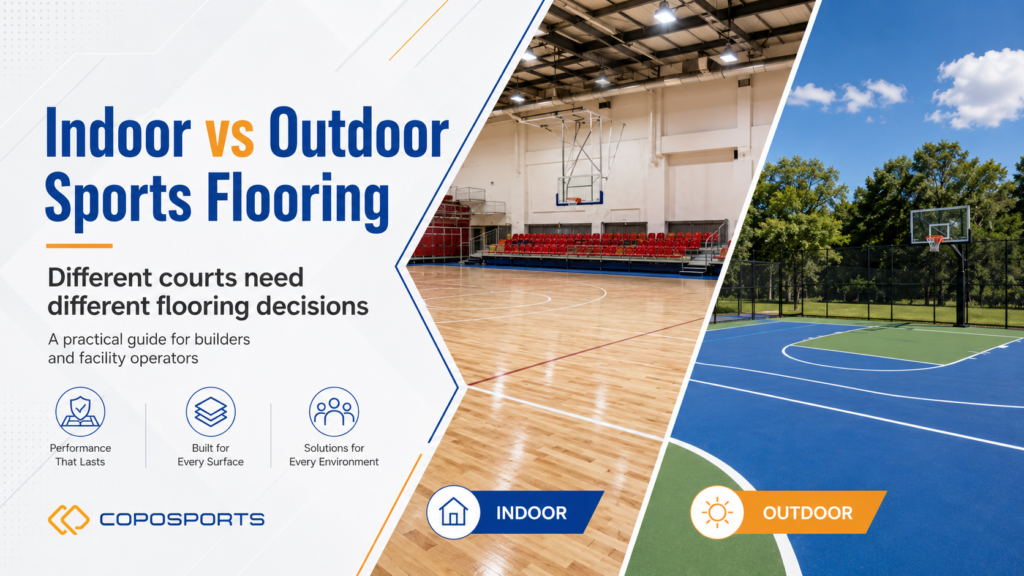
Indoor and outdoor sports flooring projects face very different conditions.
Indoor sports flooring usually focuses on comfort, shock absorption, slip resistance, ball response, surface stability, cleaning, and visual presentation.
It is commonly used in:
- School gyms
- Basketball courts
- Training centers
- Commercial gyms
- Indoor pickleball courts
- Multi-sport halls
Outdoor sports flooring needs to consider weather exposure, drainage, UV resistance, surface durability, temperature changes, and long-term maintenance.
It is commonly used in:
- Outdoor basketball courts
- Outdoor pickleball courts
- Community sports courts
- Recreational facilities
- Covered outdoor sports areas
For semi-outdoor or covered courts, project teams should also evaluate actual exposure to sunlight, humidity, wind, and rain. A covered court may still require outdoor-level performance depending on the site environment.
Understand the Users
The flooring decision should also depend on who will use the facility.
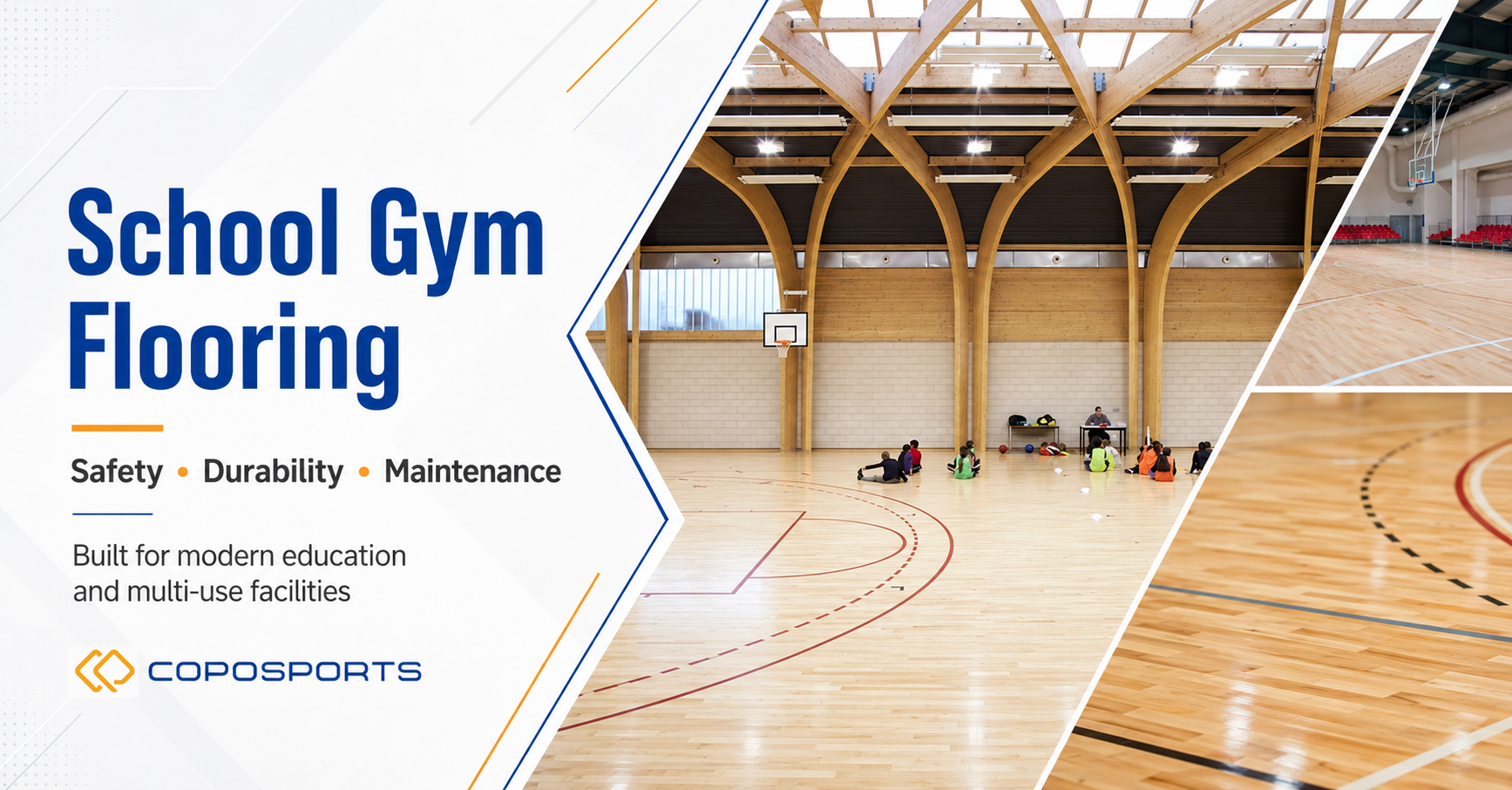
A school gym may be used by students of different ages for PE classes, basketball, volleyball, badminton, school activities, and community events. In this case, safety, comfort, durability, and easy maintenance are important.
A commercial sports facility may need stronger visual presentation, brand colors, and a flooring system that can handle frequent customer use.
A professional training court may need better sports response and performance consistency.
Project teams should consider:
- User age group
- Sports played
- Training intensity
- Daily traffic
- Competition or recreational use
- Cleaning frequency
- Maintenance capability
- Brand presentation needs
The more clearly the user profile is defined, the easier it is to choose a suitable flooring system.
Safety and Comfort Should Come First
Sports flooring should support the movement of athletes and everyday users.
Important safety and comfort factors include:
- Shock absorption
- Slip resistance
- Surface stability
- Foot comfort
- Ball response
- Joint protection
- Floor burn risk
- Surface texture
A surface that is too slippery may increase the risk of falls. A surface that is too rough may increase friction and discomfort.
For school gyms and multi-sport facilities, a balanced surface is usually more practical than an extreme-performance surface designed for only one sport.
Evaluate Durability and Maintenance
Sports flooring should not only perform well at the time of installation. It should also be practical to maintain over time.
Facility owners and operators should ask:
- How often does the floor need to be cleaned?
- Is the surface easy to maintain?
- Can damaged areas be repaired locally?
- Will the floor keep a professional appearance?
- What is the expected service life?
- What is the long-term replacement cost?
For schools, commercial gyms, and public sports facilities, easy maintenance can reduce operating pressure and help keep the facility looking professional for longer.
Check Installation Conditions
For contractors and general contractors, installation conditions are also important.
Before choosing a sports flooring system, the project team should confirm:
- Subfloor condition
- Moisture condition
- Surface levelness
- Installation timeline
- Indoor climate control
- Drainage requirements
- Line marking design
- Edge treatment
- Repair and replacement method
Some flooring systems require more preparation, while others may support faster installation or easier replacement.
The best choice depends on the project schedule, site condition, and long-term use plan.
Match the Flooring with the Facility Image
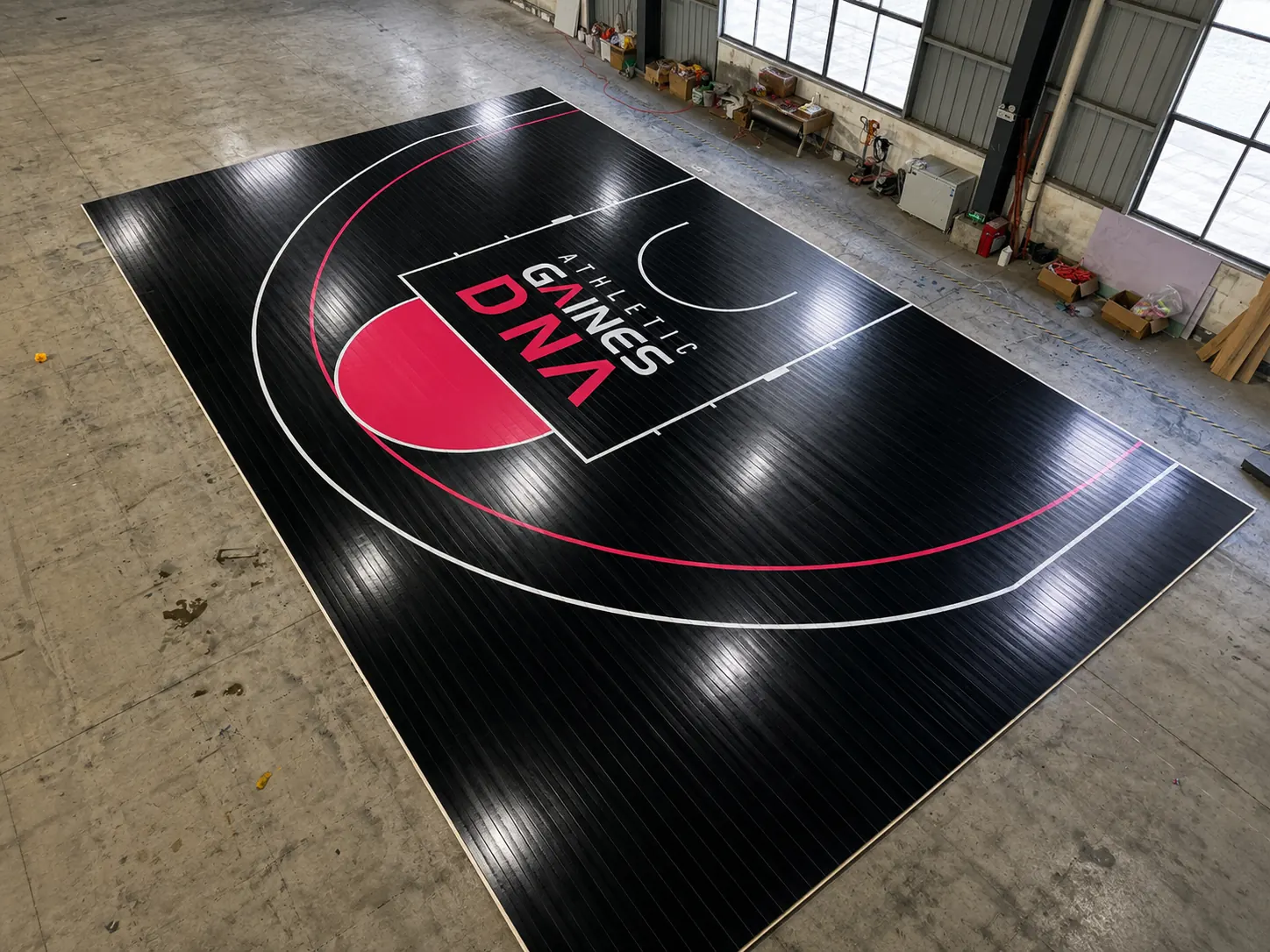
For sports brands, event operators, clubs, and commercial venues, flooring also affects brand image.
Court color, surface texture, line marking, logo placement, and overall presentation can influence how the facility appears in photos, videos, events, and social media.
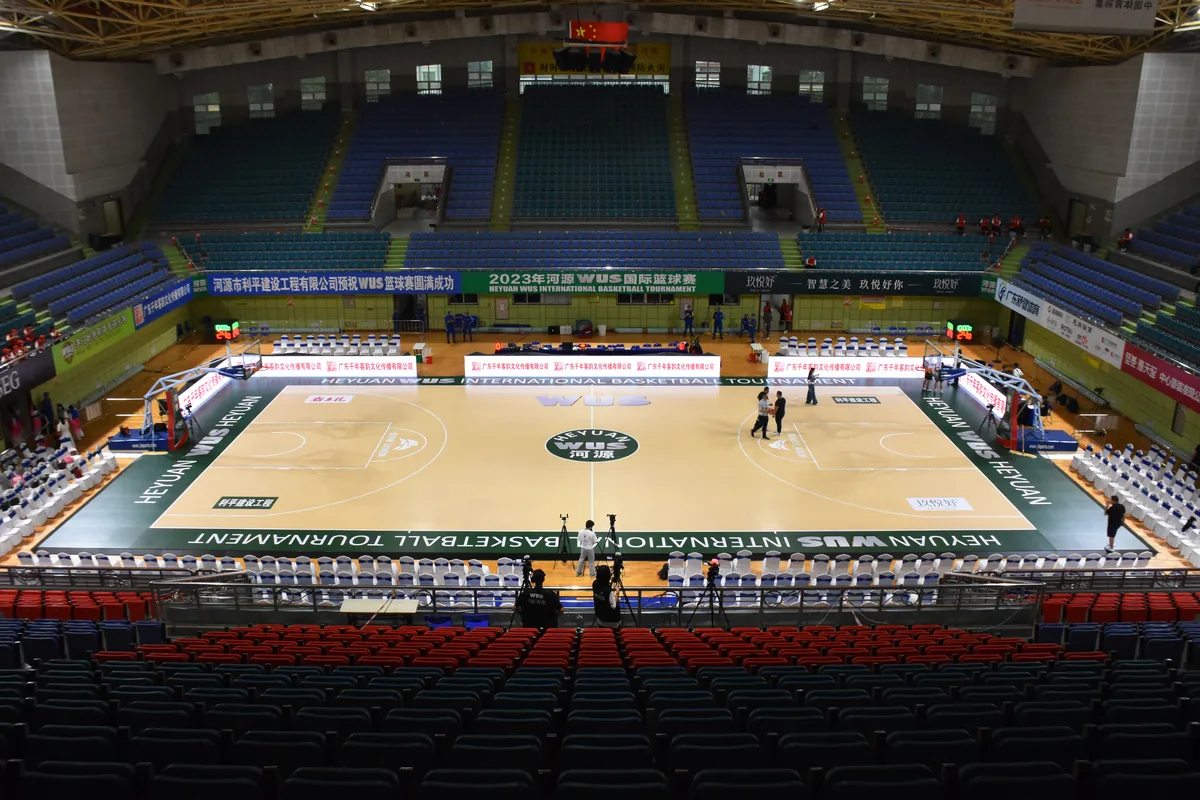
For basketball courts, pickleball venues, school gyms, and multi-sport spaces, the floor is one of the most visible parts of the entire project.
This is why sports flooring should not be selected only by unit price. It should also support the positioning and image of the facility.
Work with a Project-Oriented Sports Flooring Supplier
For project-based sports flooring, a supplier should provide more than product specifications.
A suitable sports flooring supplier should understand:
- Application scenarios
- Construction coordination
- Installation conditions
- Customization needs
- Maintenance requirements
- Long-term facility operation
For builders, contractors, facility owners, sports brands, and operators, working with a project-oriented supplier can help reduce communication costs and avoid selection mistakes.
COPOSPORTS Sports Flooring Solutions
COPOSPORTS provides sports flooring system solutions for school gyms, basketball courts, pickleball courts, commercial gyms, and multi-sport facilities.
Our product directions include:
- Biomass sports flooring
- Hardwood sports flooring
- Modular sports flooring
- Basketball court flooring
- Pickleball court flooring
- School gym flooring
- Commercial gym flooring
- Multi-sport facility flooring
We focus on supporting project teams with practical sports flooring solutions that consider construction, safety, maintenance, visual presentation, and long-term facility use.
Conclusion
Choosing sports flooring is a project decision.
For school gyms, basketball courts, pickleball courts, commercial gyms, and multi-sport facilities, the right flooring system should support both project delivery and long-term operation.
Builders, contractors, general contractors, facility owners, sports brands, and venue operators should evaluate sports flooring based on actual use, site conditions, safety, maintenance, durability, and facility positioning.
A good sports flooring system should not only look professional. It should also perform reliably over time.