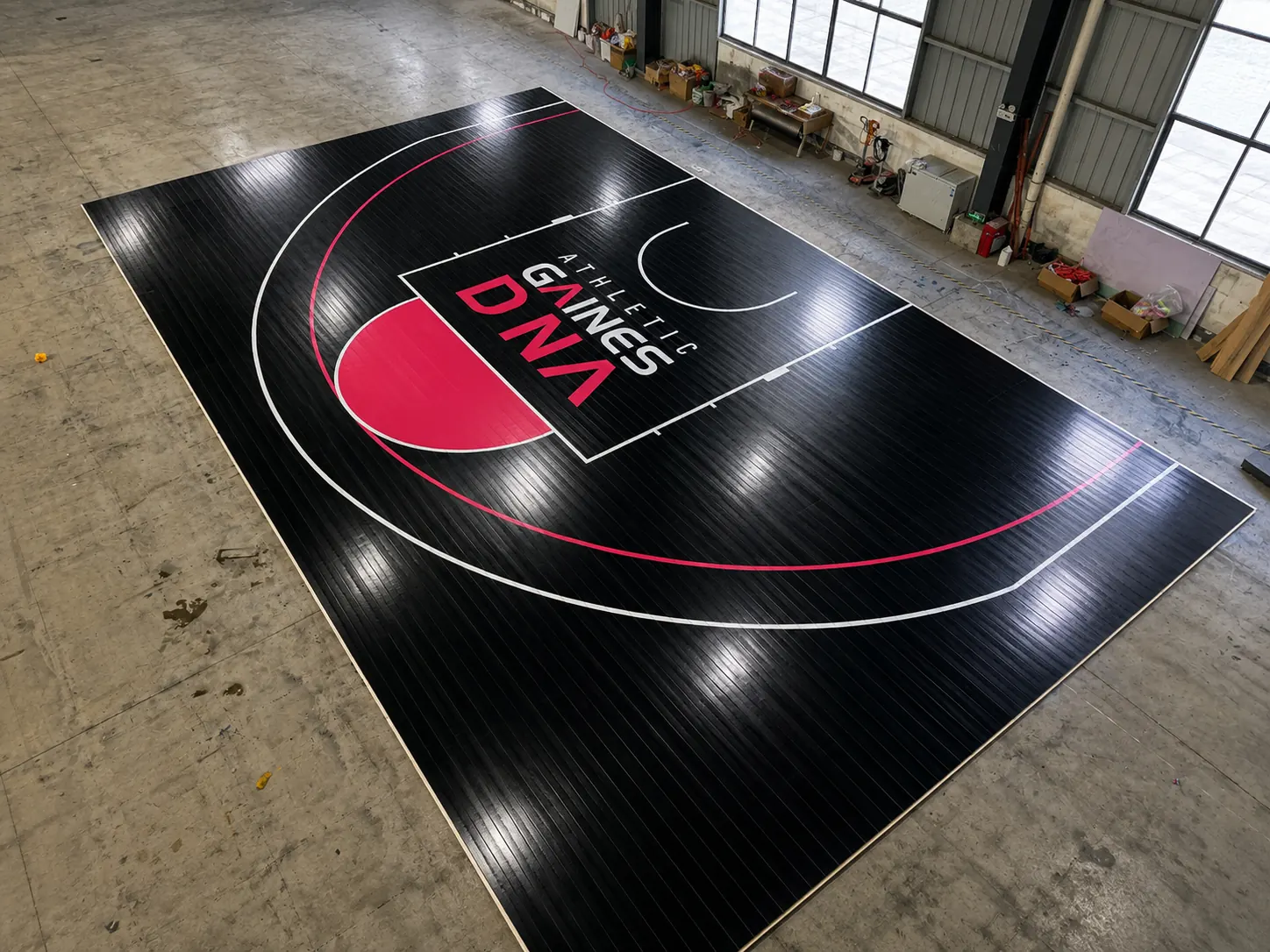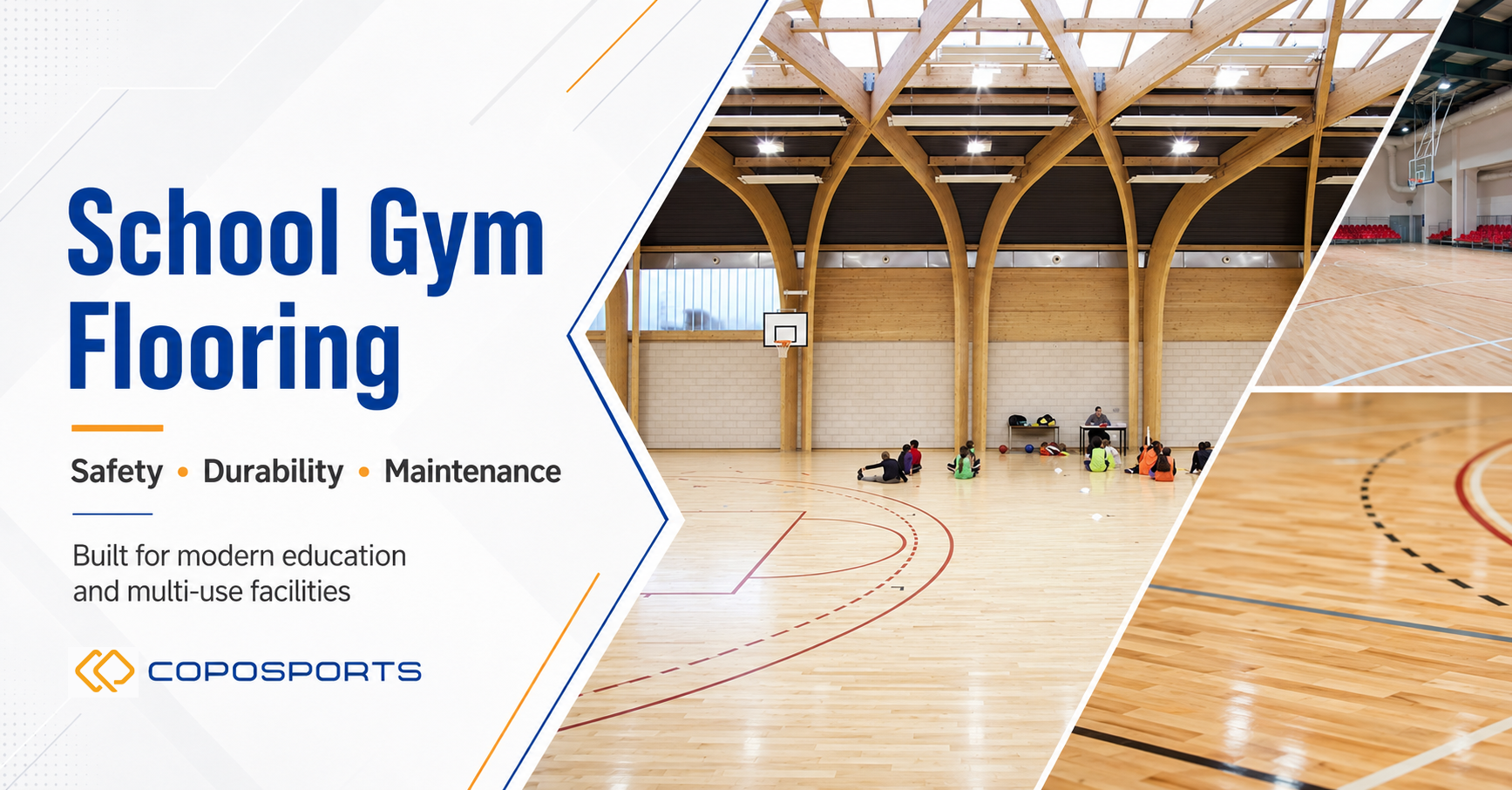
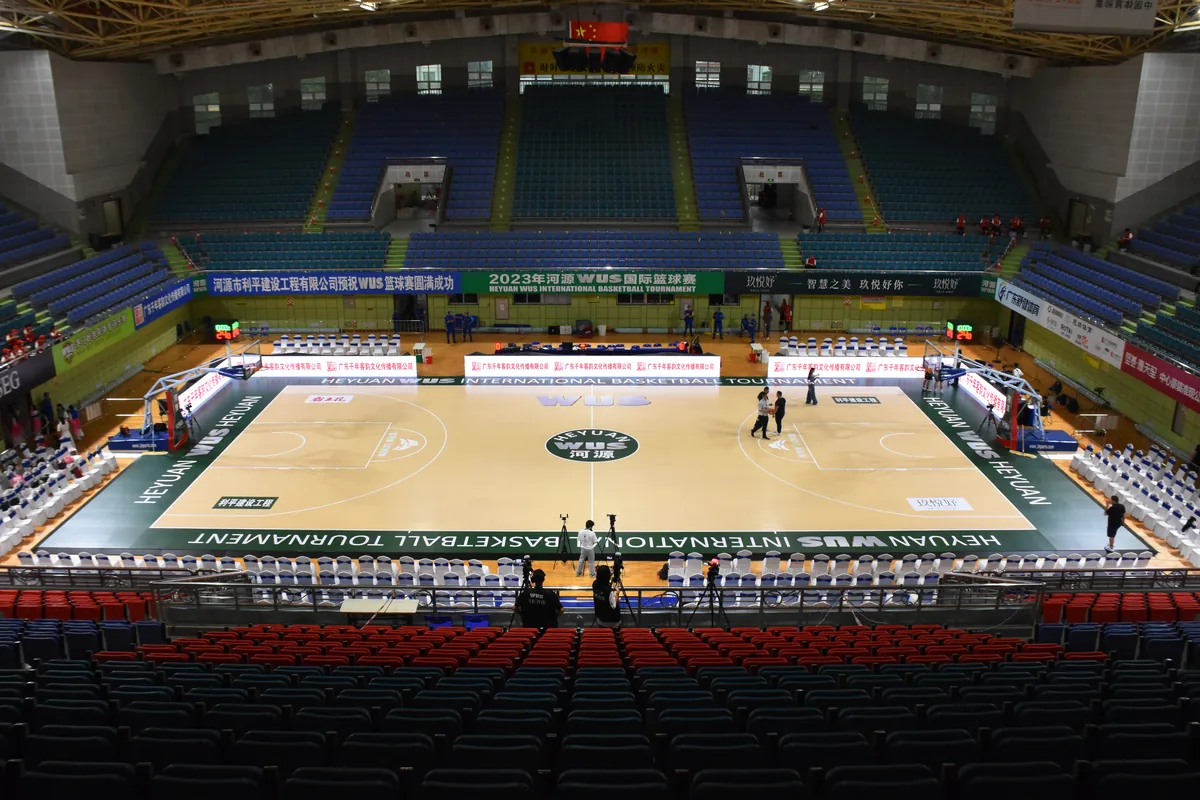
Choosing the right basketball court flooring is about more than picking a surface that looks good. The floor affects how players move, how the ball bounces, how much maintenance your facility needs, and how well the court handles daily use.
But here is the challenge: a professional basketball arena, a school gym, and an outdoor community court do not have the same needs. A floor that works well in one setting may not be the best choice for another.
That is why understanding the types of basketball court flooring is an important first step. In this guide, we will compare the main flooring options, explore where each one works best, and share a simple checklist to help you make the right choice for your project.
Why Basketball Court Flooring Matters
Imagine playing on a court that feels too slippery, gives poor ball response, or becomes difficult to maintain after a few months. Even a well-designed sports facility can fall short when the floor does not meet the needs of its players.
Quality basketball court flooring should offer reliable traction, suitable shock absorption, consistent ball response, and long-term durability. The right features depend on the level of play, how often the court is used, and whether it is indoors or outdoors.
Budget matters, too. Looking only at the purchase price can lead to higher costs later if the floor needs frequent repairs or special care.
So, what types of basketball floors should you consider before making a decision?
What Are the Main Types of Basketball Court Flooring?
Not every basketball floor uses the same material or construction method. Some focus on the traditional feel of wood, while others offer more flexibility for busy facilities or changing weather conditions.
1. Solid Hardwood Basketball Flooring
Solid hardwood is a classic choice for indoor basketball courts. Maple is widely associated with professional and collegiate playing surfaces because of its smooth finish, dependable playing characteristics, and familiar appearance.
A properly designed hardwood floor can provide consistent traction and ball response. However, wood reacts to moisture and changes in temperature. Facility owners need suitable climate control, regular cleaning, and proper maintenance to keep the surface in good condition.
Best for: Professional arenas, college gyms, and dedicated indoor basketball facilities.
2. Engineered Hardwood Sports Flooring Systems
Engineered hardwood sports flooring combines a hardwood playing surface with a designed support structure beneath it. Instead of relying on the wood alone, the complete system helps deliver the required playing feel and underfoot support.
Depending on its design, the system can provide shock absorption and energy return while supporting stable movement. These features matter when players run, jump, land, and change direction repeatedly.
However, engineered systems vary, so buyers should compare technical specifications rather than assume every system performs the same way.
Best for: Schools, universities, training centers, and competitive indoor venues that need a purpose-built sports floor.
3. Bio-Based Wood and Modular Sports Flooring
What if your court needs to handle changing weather or support more than one activity? Bio-based wood and modular sports flooring systems may offer useful alternatives.
COPOSPORTS offers bio-based wood flooring designed for demanding environments, along with modular systems that use interlocking components. Depending on the specific product, these options may support outdoor use, faster installation, and flexible court layouts.
Always check the exact product’s weather resistance, performance ratings, installation needs, and warranty terms before choosing a system for outdoor basketball.
Best for: Outdoor courts, backyard basketball areas, sports projects requiring flexible installation, and facilities that need adaptable surfaces.
4. Synthetic and Rubber Basketball Flooring
Synthetic flooring includes sports-specific polyurethane and vinyl systems. Rubber flooring is another option for certain recreation and fitness environments.
These materials can be useful in facilities that host several activities or need a surface with different maintenance requirements from traditional hardwood. However, not every synthetic or rubber floor is designed for competitive basketball.
Before choosing one, check its traction, ball rebound, impact performance, durability, and suitability for your intended level of play.
Best for: Multipurpose gyms, community recreation facilities, and selected school sports environments.
Now that you know the main options, the next step is to match them to the place where your court will be used.
Which Types of Basketball Court Flooring Work Best for Each Venue?
The best basketball court flooring depends on how people will use the space. Before choosing a product, think about who will play on the court, how often games will take place, and what conditions the floor must handle.
Professional Arenas and College Gyms
For competitive basketball, solid hardwood and engineered hardwood systems are strong options to consider. Players need dependable traction, consistent ball response, and suitable support during quick movements and jumps.
The complete floor system matters just as much as the wood itself. Ask suppliers for technical details about shock absorption, energy return, and compliance with the requirements for your level of competition.
Schools and Community Recreation Centers
School gyms often host basketball games, physical education classes, assemblies, and other activities. Hardwood may be suitable for dedicated indoor courts, while sports-specific synthetic flooring may offer flexibility for some multipurpose facilities.
Consider how frequently the gym will be used and how much time your team can spend on maintenance. A lower purchase price is not always the most affordable choice over the floor’s full service life.
Outdoor and Multipurpose Courts
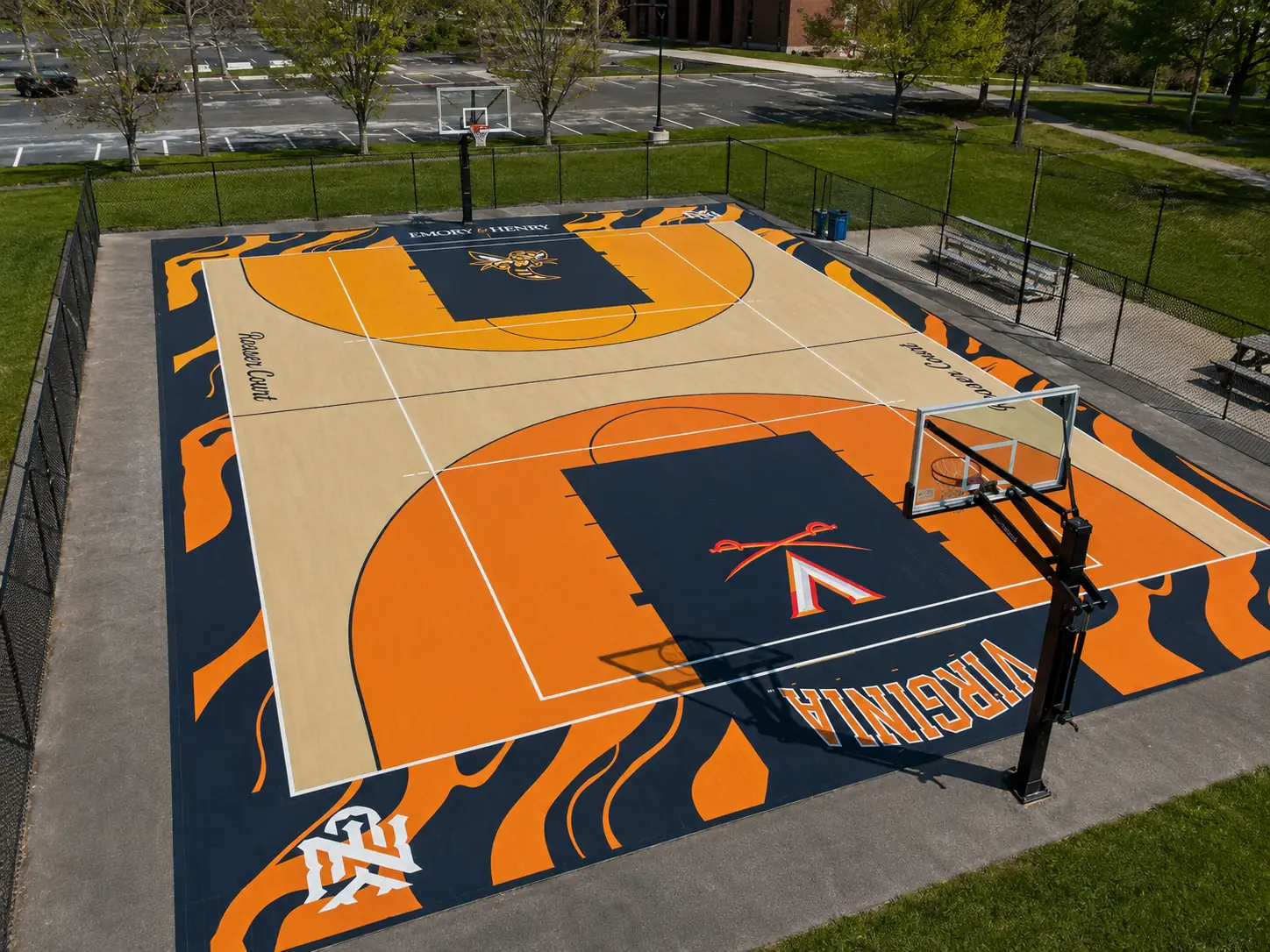
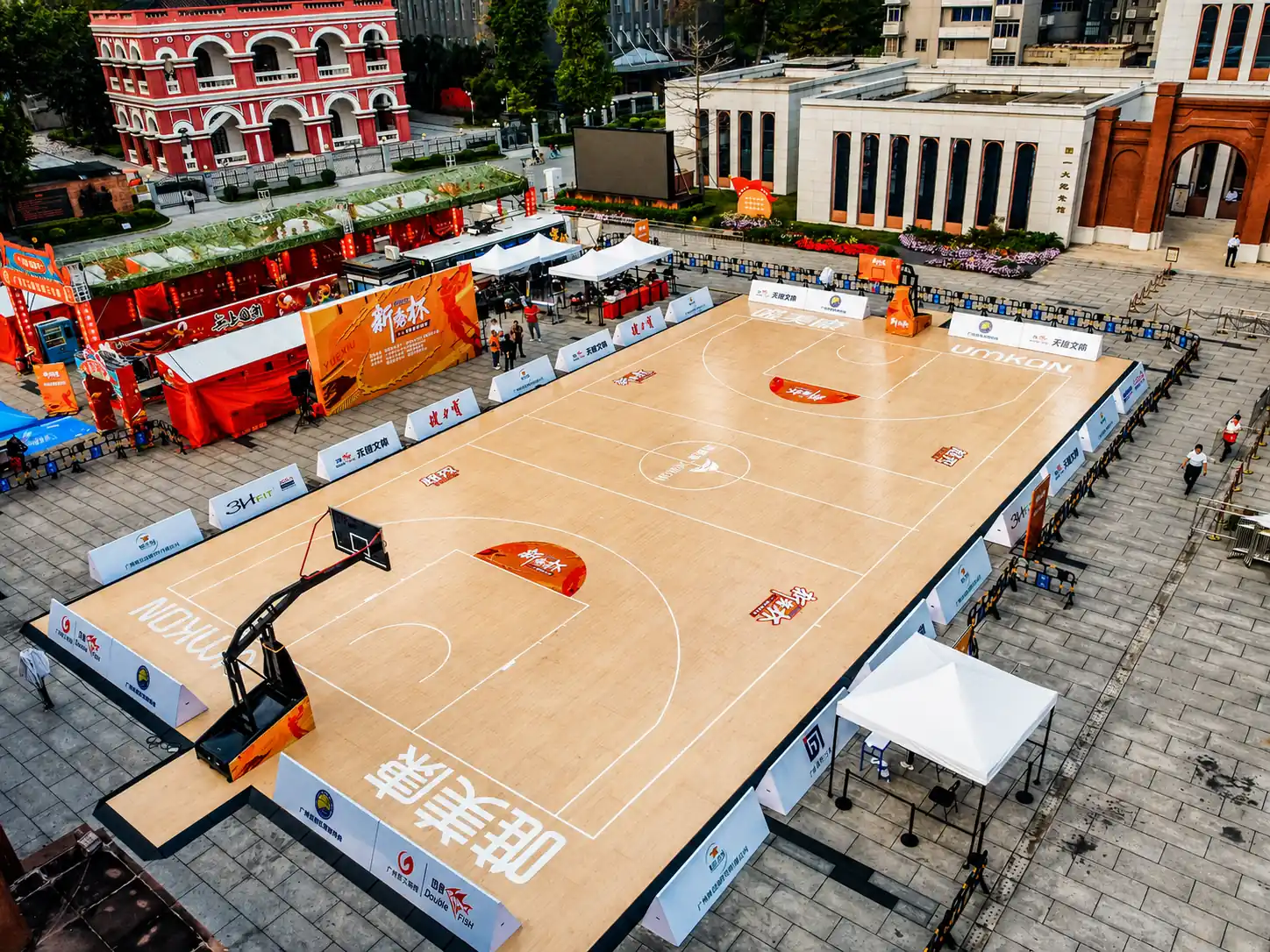
Outdoor courts face sunlight, rain, moisture, and temperature changes. Traditional hardwood generally requires a controlled indoor environment, so it is not the default choice for exposed outdoor courts.
Weather-resistant bio-based wood or suitable modular sports flooring may be worth exploring. Check the manufacturer’s specifications to confirm that the selected product is designed for your climate and intended use.
How Does Basketball Court Flooring Compare in Performance and Maintenance?
Two floors may look similar but perform very differently. That is why comparing basketball court flooring requires more than looking at materials or prices.
Traction, Shock Absorption, and Ball Response
Traction helps players stop and change direction. Shock absorption helps reduce the force transmitted through the floor during movement and landing, while energy return describes how the floor responds to applied force.
These features should be assessed as part of the complete flooring system. Ask for test data and relevant performance documentation rather than relying on general product descriptions.
Durability, Moisture Resistance, and Cleaning
Hardwood needs appropriate moisture control and regular care. Synthetic and modular floors have their own cleaning and inspection requirements, which vary by product.
For outdoor installations, confirm resistance to moisture, temperature changes, and ultraviolet exposure. Also review the warranty, repair options, and recommended maintenance schedule before making your choice.
Installation Costs and Long-Term Value
Your total project cost may include subfloor preparation, installation, court markings, transport, maintenance, and future repairs. Portable or modular systems may also require storage space or additional handling.
Compare these costs alongside the expected service life. The goal is to choose a floor that fits your budget without overlooking performance or upkeep.
Basketball Court Flooring Selection Checklist for Your Project
Ready to narrow down the options? Use this checklist before contacting a supplier. Having clear answers will make product comparisons and project quotes much easier.
- Define Your Venue and Playing Requirements
- Is the court indoors or outdoors?
- Will it host competitive games, training, or casual recreation?
- Does it need to support other sports or activities?
- What playing performance does your organization require?
- Check the Site and Environment
Inspect the existing subfloor and identify any moisture concerns. For indoor projects, consider temperature and humidity control. For outdoor courts, review sunlight, drainage, and weather exposure.
Set Your Budget and Maintenance Plan
Calculate the installation budget alongside cleaning, repairs, and long-term upkeep. If you need a portable court, account for handling, storage, and setup time.
Verify Standards and Installation Needs
Ask for technical specifications, installation guidance, warranty details, and documentation for any claimed certifications. Confirm that the system meets the requirements applicable to your venue and level of play.
A little planning now can prevent costly surprises later. But choosing the right product is only part of the decision; choosing a supplier that understands your project matters, too.
Why Choose COPOSPORTS for Basketball Court Flooring?
COPOSPORTS provides sports flooring solutions for basketball and other court sports, with options designed for different project needs. Its product range includes solid hardwood, engineered hardwood, bio-based wood, and modular sports flooring systems.
Flooring Options for Different Projects
For dedicated indoor basketball facilities, COPOSPORTS’ hardwood sports flooring systems feature engineered support structures and custom-designed panels intended to balance shock absorption, energy return, and stable underfoot support.
For projects with different environmental or installation needs, the company also offers bio-based wood and modular systems. Always confirm the specifications of the particular product before deciding whether it suits your venue.
Project Support and Customization
COPOSPORTS supports architects, general contractors, distributors, facility owners, and sports brands. Its services include OEM and ODM customization and project-related documentation.
Whether you are planning a school gym, a training facility, or a larger sports development, sharing your requirements early can help you identify suitable options and prepare a more accurate project proposal.
Choose the Right Basketball Court Flooring for Your Venue
The right floor starts with understanding your venue. Solid hardwood can be an excellent choice for dedicated indoor courts, engineered hardwood systems offer a designed support structure, and bio-based wood or modular systems may suit projects with different environmental and installation needs. Synthetic flooring can also be a practical option for selected multipurpose facilities.
Compare performance, site conditions, installation costs, and maintenance before making your final decision. Most importantly, choose a system designed for the way your court will actually be used.
Planning a new basketball court or upgrading an existing one? Contact COPOSPORTS to discuss your venue, project requirements, and flooring options. The team can help you explore suitable systems and request a proposal for your project through COPOSPORTS.
FAQs
1. What are the main types of basketball court flooring?
The main types include solid hardwood, engineered hardwood, bio-based wood, modular sports flooring, and synthetic flooring.
2. Which flooring is best for indoor basketball courts?
Hardwood and engineered hardwood systems are popular choices for dedicated indoor basketball facilities.
3. Can basketball flooring be used outdoors?
Yes. Weather-resistant bio-based wood and suitable modular systems may work outdoors.
4. How do I choose basketball court flooring?
Consider venue use, climate, performance, budget, installation, and maintenance.
5. Why choose COPOSPORTS?
COPOSPORTS offers multiple sports flooring systems and project support.