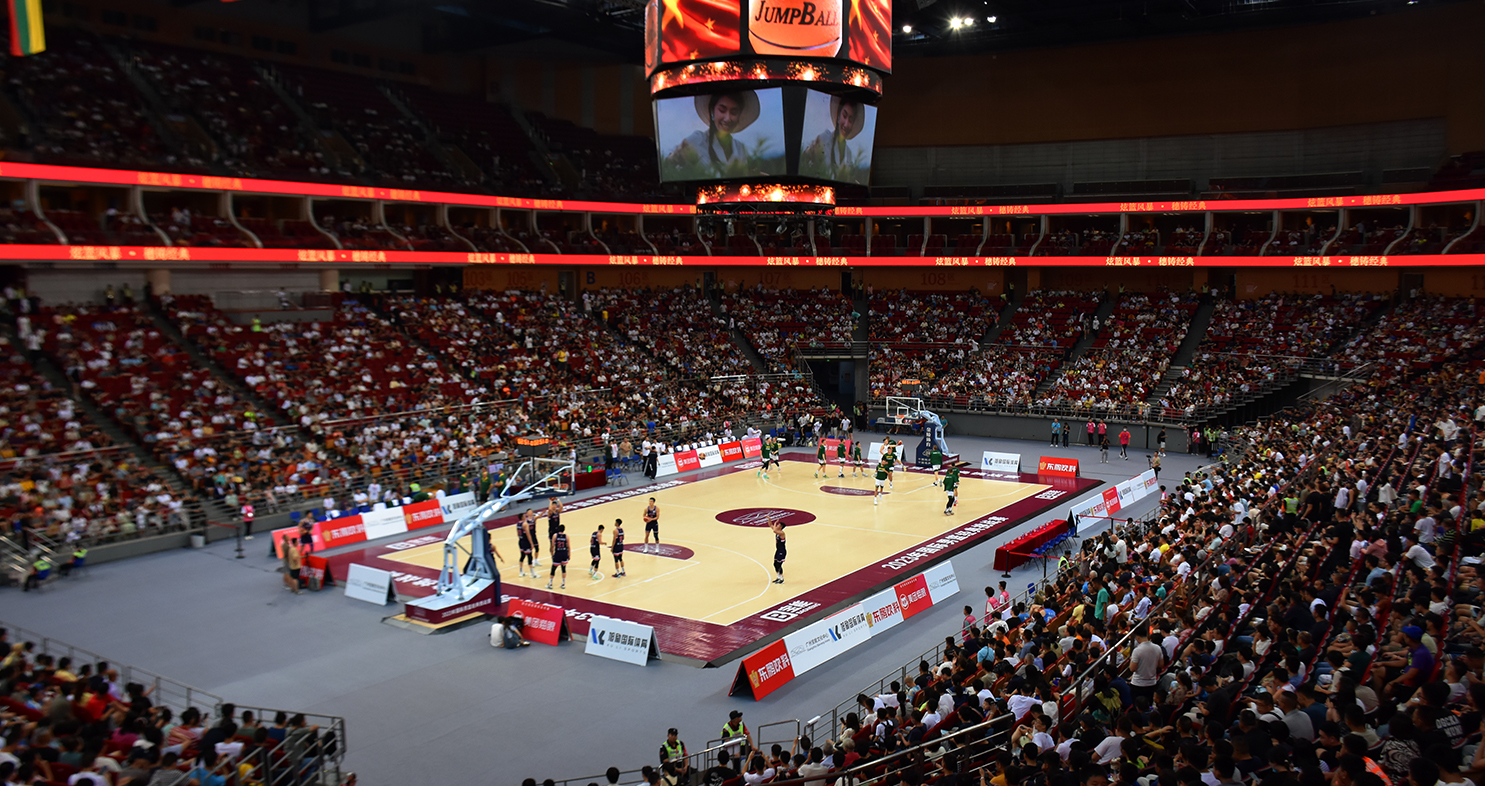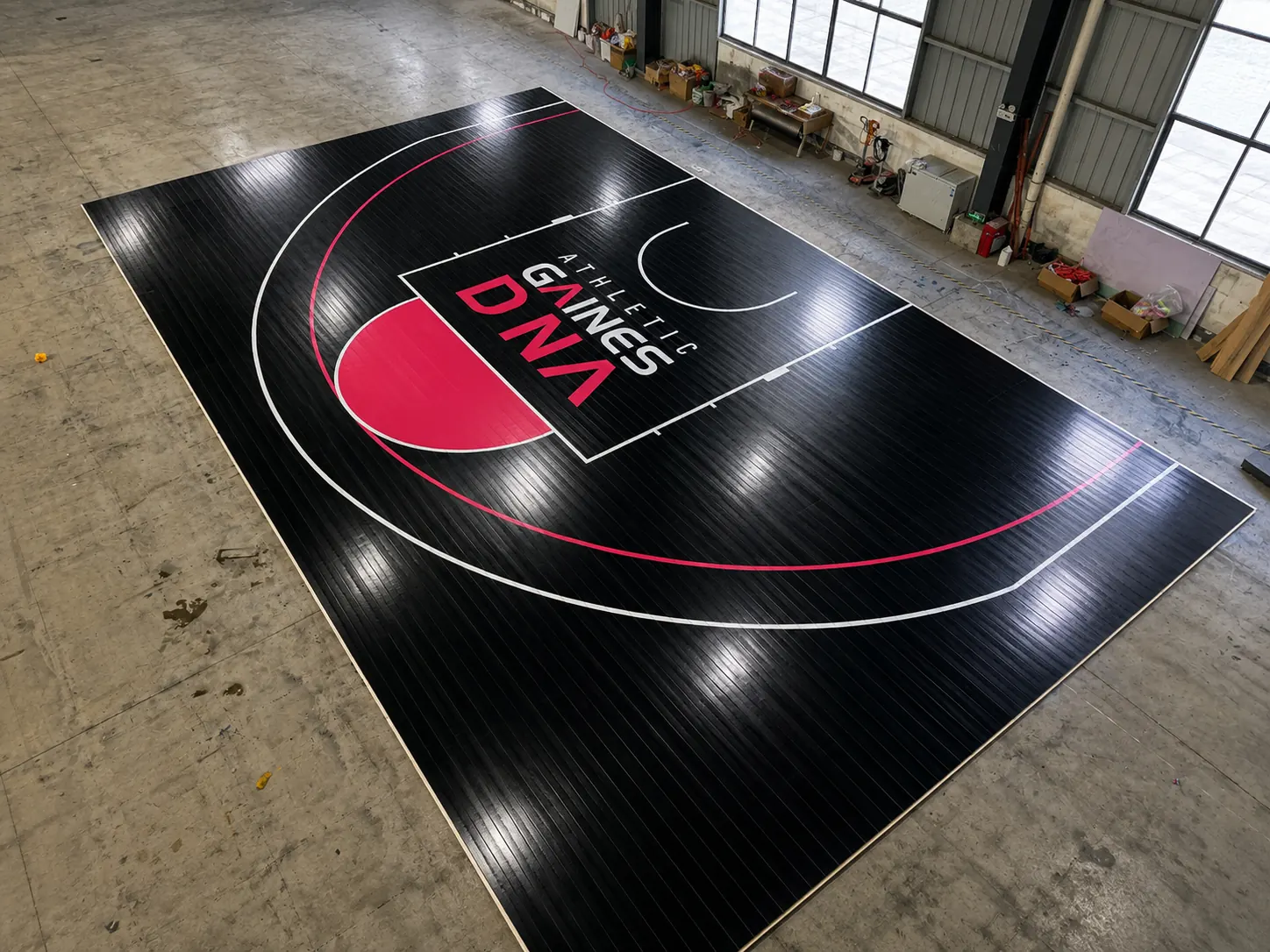
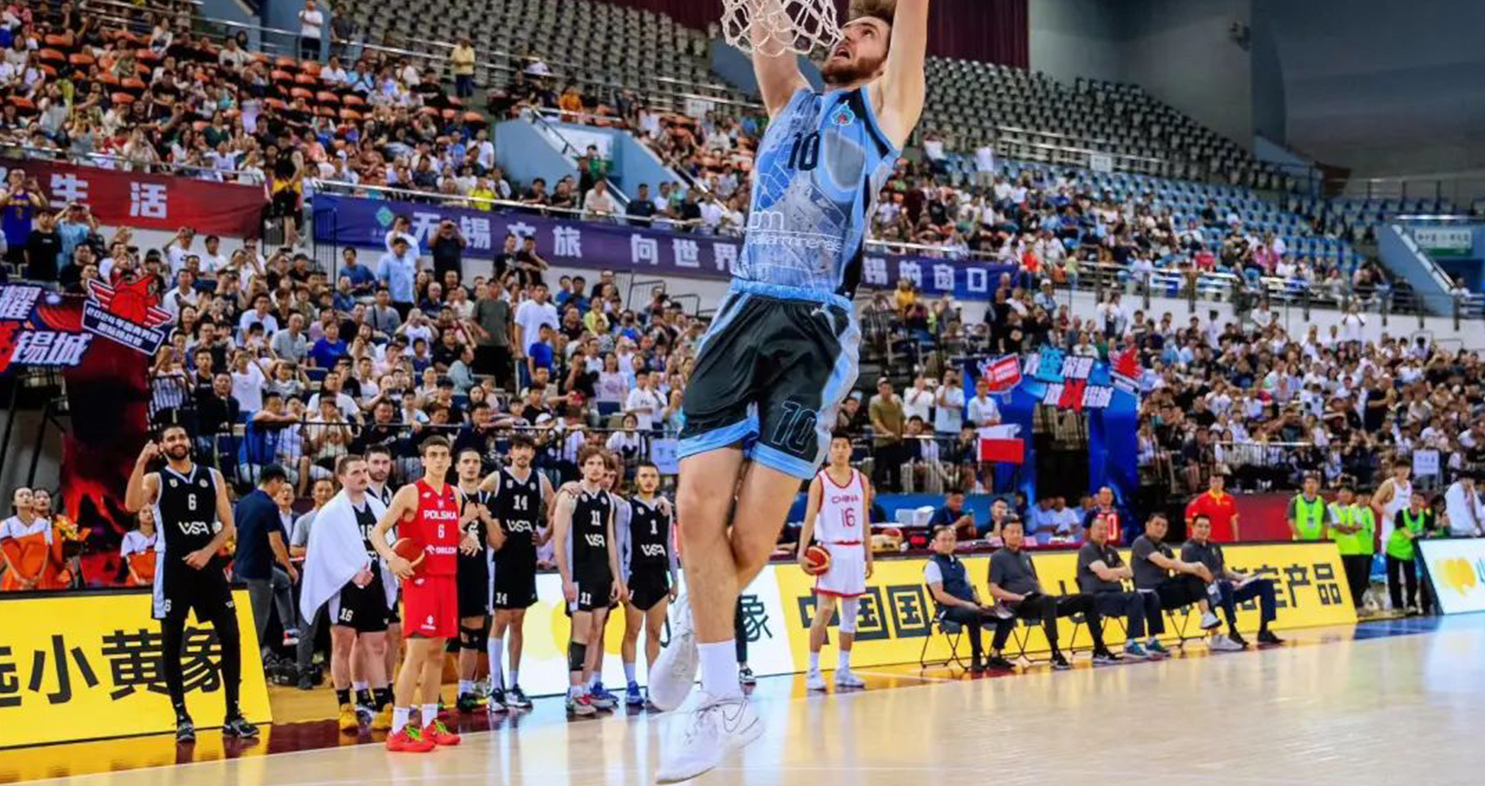
A basketball court needs more than a good-looking wooden surface. Players need reliable footing, consistent ball rebound, and a floor that can handle years of hard use. That is why maple has become a popular choice for indoor basketball courts. Its strength, fine grain, and clean appearance make it well suited to busy gyms, schools, and sports facilities.
However, choosing the right floor involves more than selecting a type of wood. Buyers must also understand wood grades, inspect flooring samples, and check how the complete flooring system performs.
If you are comparing options for a new court or renovation, this guide will help you make a more informed decision and understand what to look for before placing an order.
Why Maple Hardwood Flooring Basketball Court Buyers Prefer Maple
Hard maple is widely used for traditional indoor basketball courts because it combines strength, wear resistance, and an attractive natural appearance. But what makes it a practical choice for sports facilities?
Hardness and Wear Resistance
Basketball courts experience constant movement, sudden stops, jumps, and repeated foot contact. Hard maple offers a dense surface that can stand up to regular use when properly installed and maintained.
Its durability makes it a suitable option for school gymnasiums, training centers, and competitive indoor venues. However, the floor’s service life also depends on its finish, maintenance routine, and overall construction.
Natural Grain and Clean Appearance
Maple usually has a light color and relatively fine grain, giving courts a bright, clean look. This appearance also makes court markings easy to distinguish when the correct paint and finish system is used.
Of course, appearance is only one part of the decision. The wood must also meet the project’s quality requirements and work with a suitable sports flooring system.
Maple Hardwood Flooring Basketball Court Grain Patterns and Material Traits
Now that we understand why maple is popular, let’s look more closely at the wood itself. Grain patterns, natural color changes, and moisture response can all influence flooring selection.
What Different Grain Patterns Tell You
Maple boards may show subtle differences in grain direction, color, and texture. Some buyers prefer a uniform appearance, while others accept more natural variation.
When inspecting samples, look for consistent quality across the boards. Check for splits, damaged edges, cracks, and other defects that fall outside the agreed product grade.
Remember that attractive grain does not automatically mean better athletic performance. Appearance and sports performance should be assessed separately.
Why Moisture and Stability Matter
Wood naturally responds to changes in temperature and humidity, especially through changes in moisture content. Poor moisture control can lead to gaps, swelling, cupping, or other surface problems.
That is why buyers should ask about storage, acclimation, site conditions, and installation requirements before ordering maple basketball flooring. Proper planning helps protect the investment and supports a more consistent playing surface.
But grain and moisture are only part of the story. Wood grade is another factor worth understanding before you compare samples.
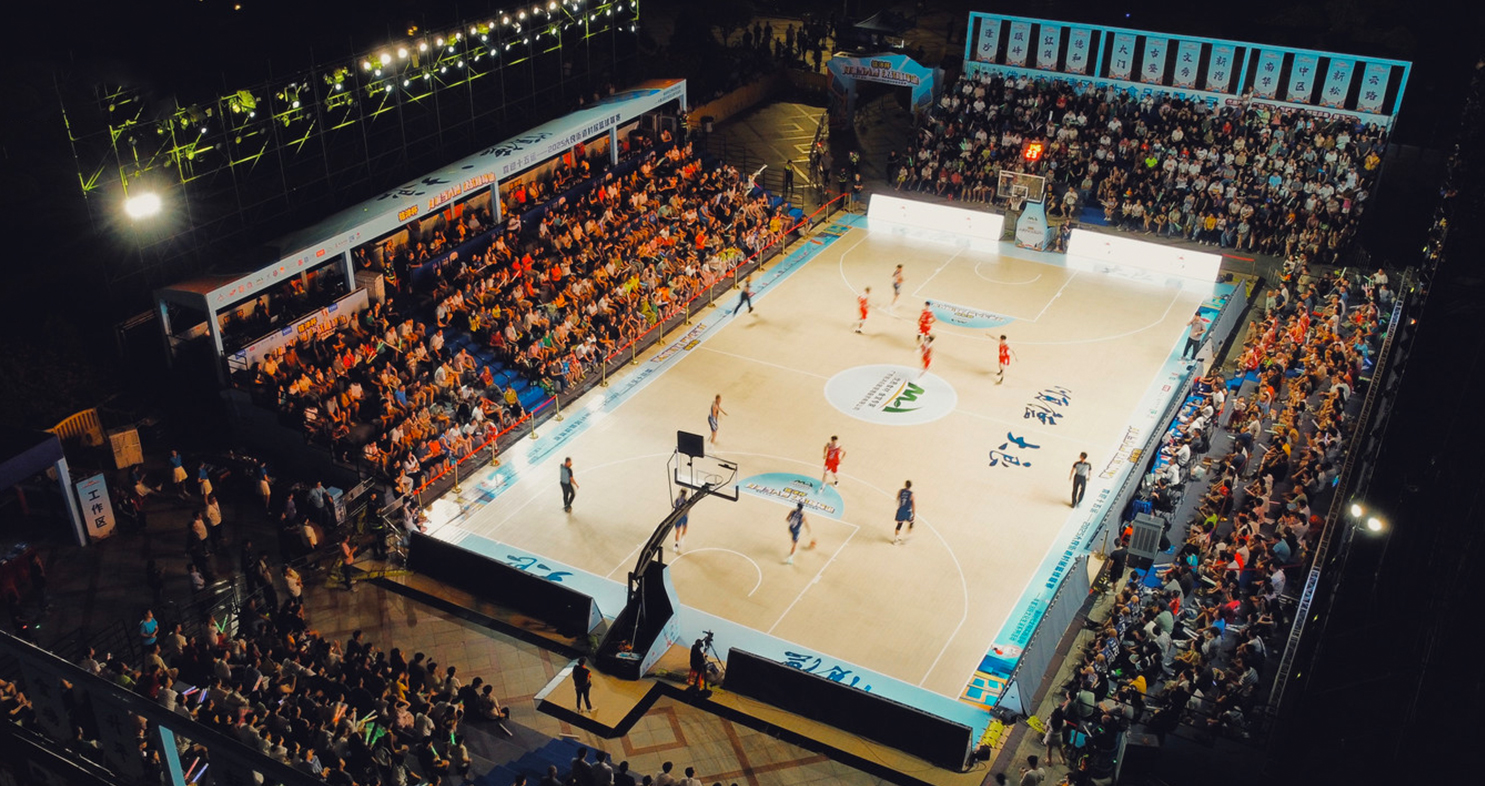
Maple Hardwood Flooring Basketball Court Wood Grades and Performance
Wood grades help buyers compare the appearance and quality of flooring materials. However, a higher appearance grade does not automatically mean a better-performing basketball court. So, how should you judge the difference?
Appearance Grade Versus Functional Quality
Depending on the grading system, maple flooring grades may allow different levels of color variation, mineral streaks, and natural markings. A more uniform grade may suit facilities that want a clean, consistent look.
Buyers should also confirm the wood species, board dimensions, manufacturing tolerances, and acceptable defects. Ask the supplier to explain the grading standard rather than relying on grade names alone.
Ball Rebound, Shock Absorption, and Surface Grip
A basketball floor must support more than appearance. Ball rebound, shock absorption, vertical deformation, and surface friction all matter to players.
These qualities depend on the complete installed system, including the wood surface, supporting structure, resilient components where used, and installation quality. Ask for relevant test reports and confirm that they apply to the exact system you plan to purchase.
Once you understand these differences, the next step is to inspect actual samples instead of relying on product photographs.
Maple Basketball Flooring Sample Inspection Checklist
A flooring sample gives you a closer look at the material before you commit to a larger order. Take your time during this stage because small differences can matter when thousands of boards or panels are installed across a court.
Inspect Grain, Color, and Surface Defects
Check whether the sample matches the appearance grade you requested. Look for unexpected color changes, cracks, splits, damaged edges, and other defects that may affect its acceptance.
Natural wood variation is normal, so the goal is not to find identical boards. Instead, make sure the sample falls within the agreed quality requirements.
Check Dimensions, Finish, and Consistency
Measure the sample and compare its dimensions with the product specification. Inspect the surface for unevenness, rough areas, and inconsistent finishing.
If possible, request several samples. One piece may look excellent while failing to represent the wider production batch.
Request Technical Documents
Ask the supplier for installation instructions, moisture requirements, maintenance guidance, warranty details, and relevant sports-performance reports.
Use this checklist before approving a sample:
- Confirm the wood species and product construction.
- Check grain, color, and visible defects.
- Verify dimensions and manufacturing tolerances.
- Inspect the finish and surface quality.
- Request documentation for performance claims.
A sample can reveal material quality, but it cannot prove how an entire court will perform. That brings us to the flooring system itself.
Maple Hardwood Flooring Basketball Court Buying Checks Before You Order
Choosing the right wood is important, but buyers must also consider how the floor will be installed and used. Before making a purchase, ask a few practical questions about your venue.
Solid or Engineered Hardwood?
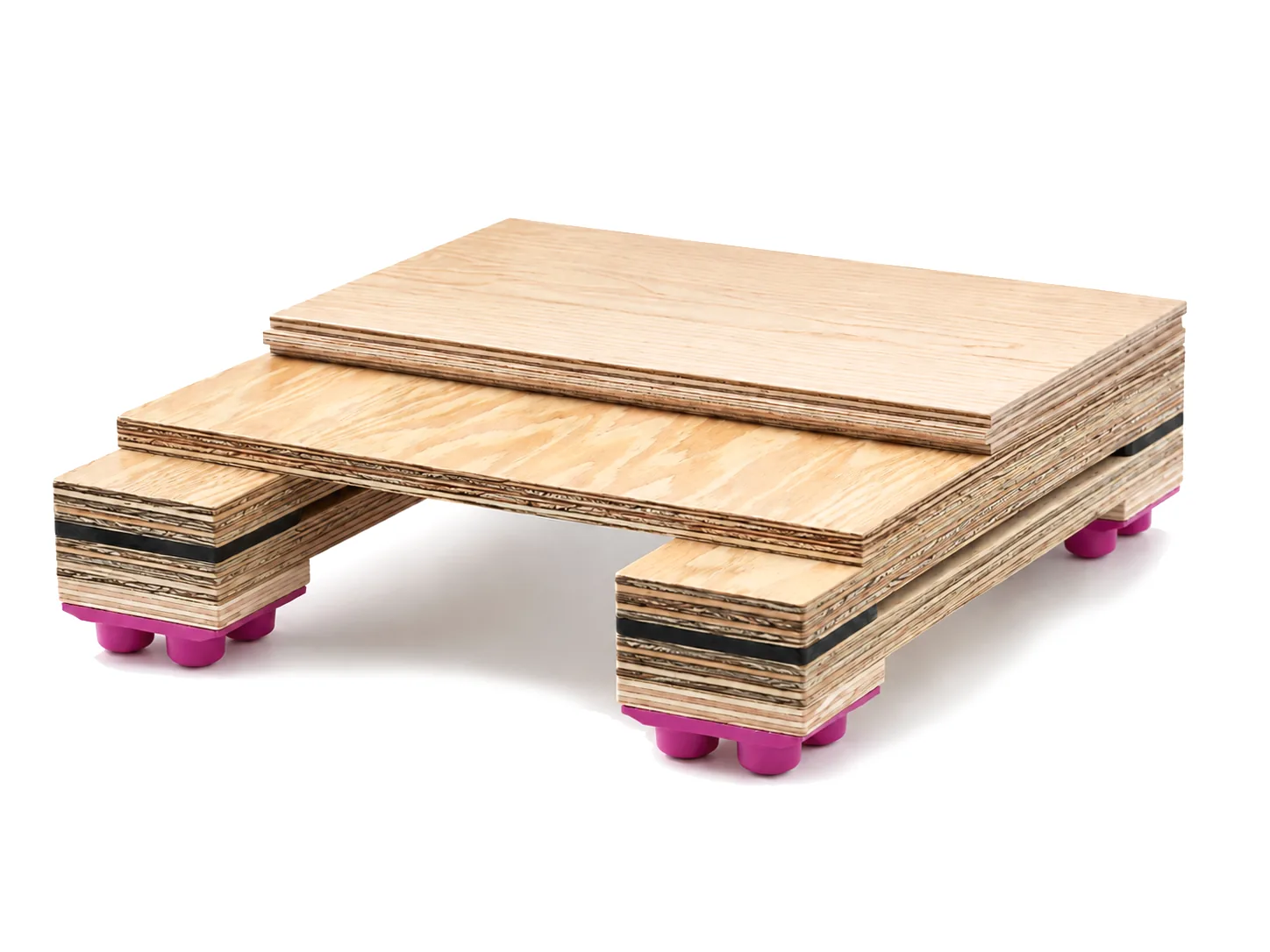
Solid hardwood uses solid wood boards, while engineered hardwood combines a hardwood surface layer with supporting layers designed to improve dimensional stability. Both options have different construction requirements and should be evaluated according to the project’s needs.
Engineered construction may help limit movement caused by moisture changes, but performance depends on the specific design and manufacturing quality. Do not assume every engineered floor offers the same benefits.
Installation, Maintenance, and Long-Term Costs
Check whether the flooring system suits your subfloor, building conditions, and intended level of use. Ask about installation requirements, cleaning products, refinishing options, and expected maintenance.
Also compare the total cost of ownership, not just the initial price. Installation, repairs, maintenance, and replacement can all affect the long-term value of a basketball court.
A reliable supplier should help you understand these details before you commit to an order.
Why Choose COPO SPORTS for Basketball Court Flooring?
Once you know what to look for in a basketball floor, you can compare suppliers based on their products, technical support, and ability to meet your project requirements.
COPO SPORTS offers several sports flooring categories, including bio-based wood, engineered hardwood, solid hardwood, and modular sports flooring. This range helps buyers explore different solutions for indoor courts and other sports facilities.
Engineered Construction and Shock Absorption
COPO SPORTS’ engineered hardwood systems use cross-layered panels with a hardwood surface bonded using resin glue and hot pressing. The manufacturer describes this construction as a way to maintain the natural look and feel of hardwood while improving dimensional stability.
Its shock absorption system is designed to support a stable playing surface, consistent ball rebound, and impact absorption. Buyers should request product-specific test reports to confirm the performance measures relevant to their project.
Support for Different Project Needs
COPO SPORTS supports contractors, distributors, facility owners, and sports brands with services that include OEM and ODM customization, sourcing support, and project documentation. Its website also offers free sample requests and invites customers to discuss their project requirements.
Explore the COPO SPORTS Solid Hardwood Flooring Systems page to review available options. Be sure to confirm whether the specific product you are considering uses maple and whether its specifications match your intended application.
Make a Confident Basketball Flooring Decision
Maple remains a popular choice for indoor basketball courts because of its hardness, wear resistance, fine grain, and natural appearance. Still, selecting the right floor requires more than choosing an attractive wood sample.
Compare grades carefully, inspect samples, check moisture requirements, and request reliable performance documentation. Most importantly, evaluate the complete flooring system rather than judging the wood surface alone.
Planning a new court or upgrading an existing gym? Contact COPO SPORTS to discuss your project, explore suitable flooring systems, and request a sample. A conversation with the right supplier can help you make a more confident decision for your facility.
Frequently Asked Questions
1. Why is maple used for basketball courts?
Hard maple offers a durable surface, fine grain, and a light appearance. When properly installed and maintained, it can support the demands of indoor basketball.
2. Does wood grade affect basketball performance?
Wood grade mainly describes appearance and acceptable natural features. Court performance depends on the complete flooring system and its tested characteristics.
3. What should I check in maple flooring samples?
Inspect grain, color, surface defects, dimensions, and finish. Also request product specifications and relevant performance reports.
4. Is engineered hardwood suitable for basketball courts?
Yes, some engineered hardwood systems are designed for indoor sports. Check their construction, installation requirements, and verified performance data before purchasing.
5. Where can I explore basketball flooring options?
Visit COPO SPORTS to explore flooring systems and discuss your project requirements with the team.